Style
Fit Is Everything: Why Tailoring Beats Buying New
A garment that fits beats a garment that is new. How tailoring works, which fixes are worth the cost, and why fit should lead every purchase.
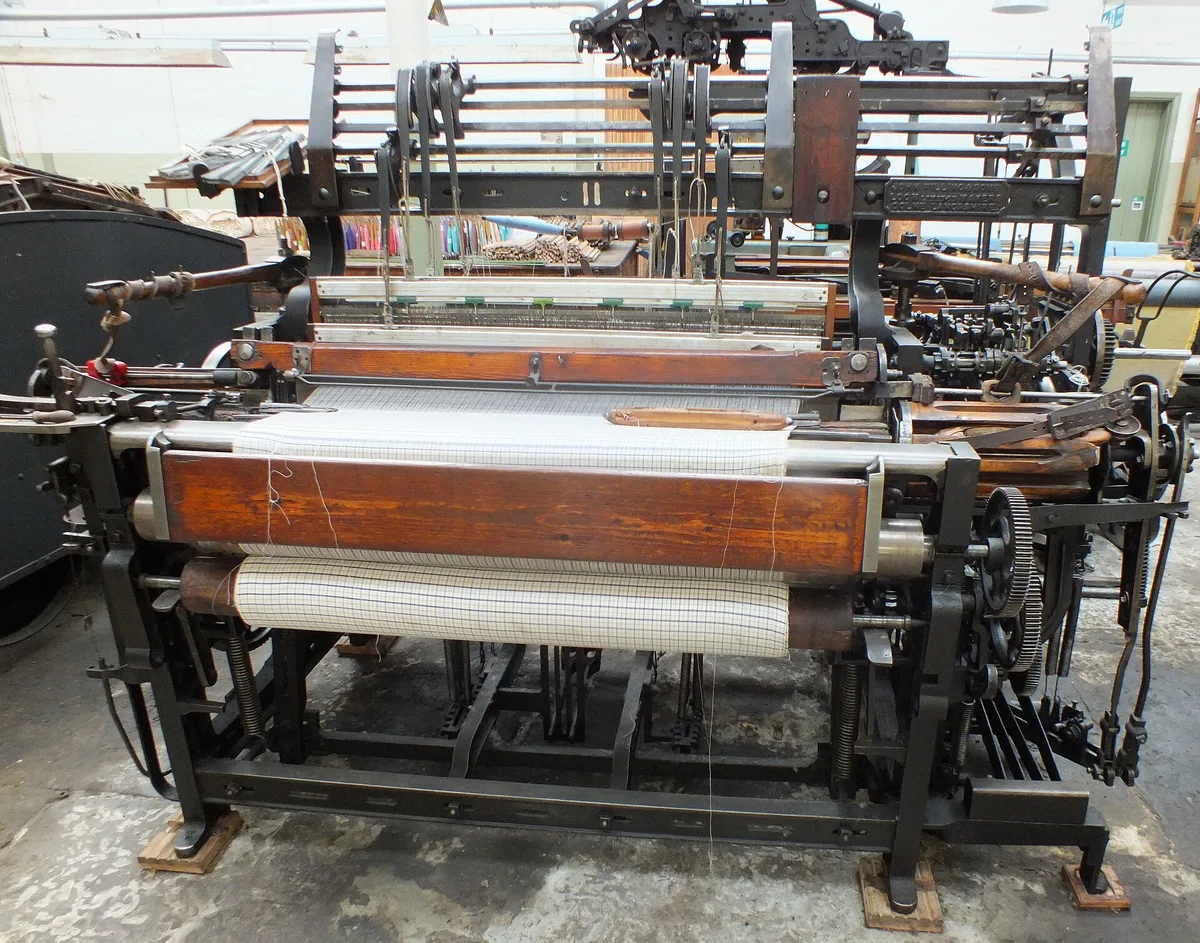
Some fabrics fuzz and fade within a season, while others hold their surface for years. What fiber, weave, and care habits mean for wear.
The RealReal's new title treats getting dressed as a practice, not a purchase — and that says something about where secondhand shopping is heading.
Pieces that do the work of a whole closet.
A garment that fits beats a garment that is new. How tailoring works, which fixes are worth the cost, and why fit should lead every purchase.
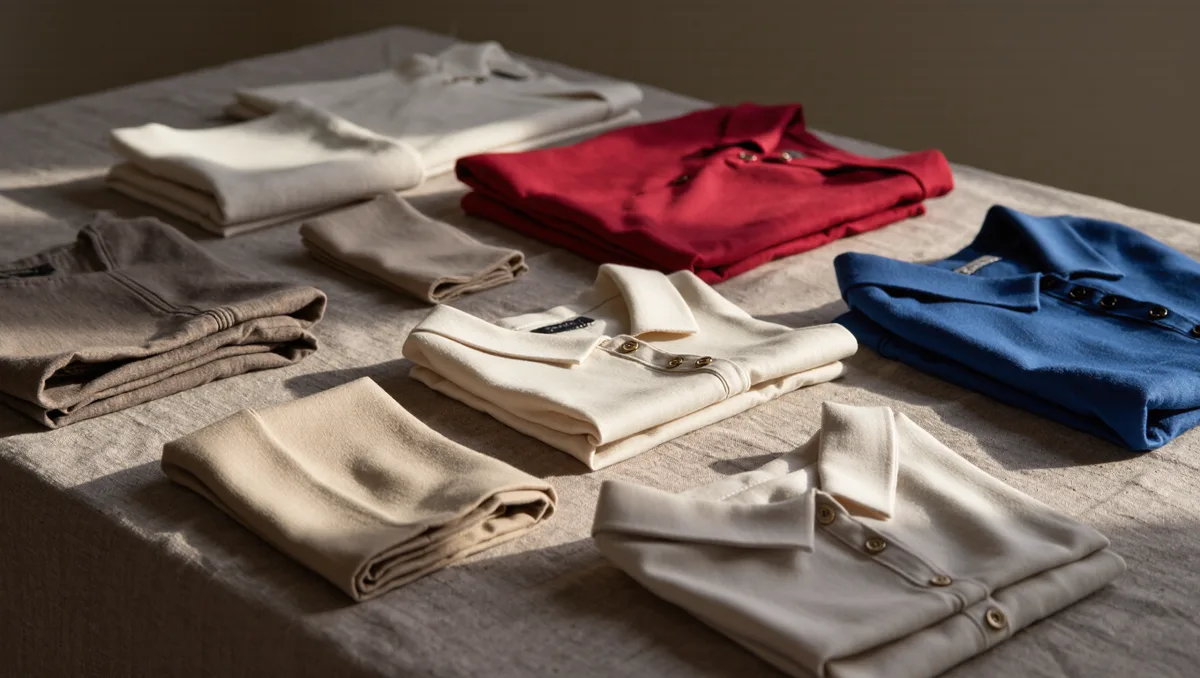
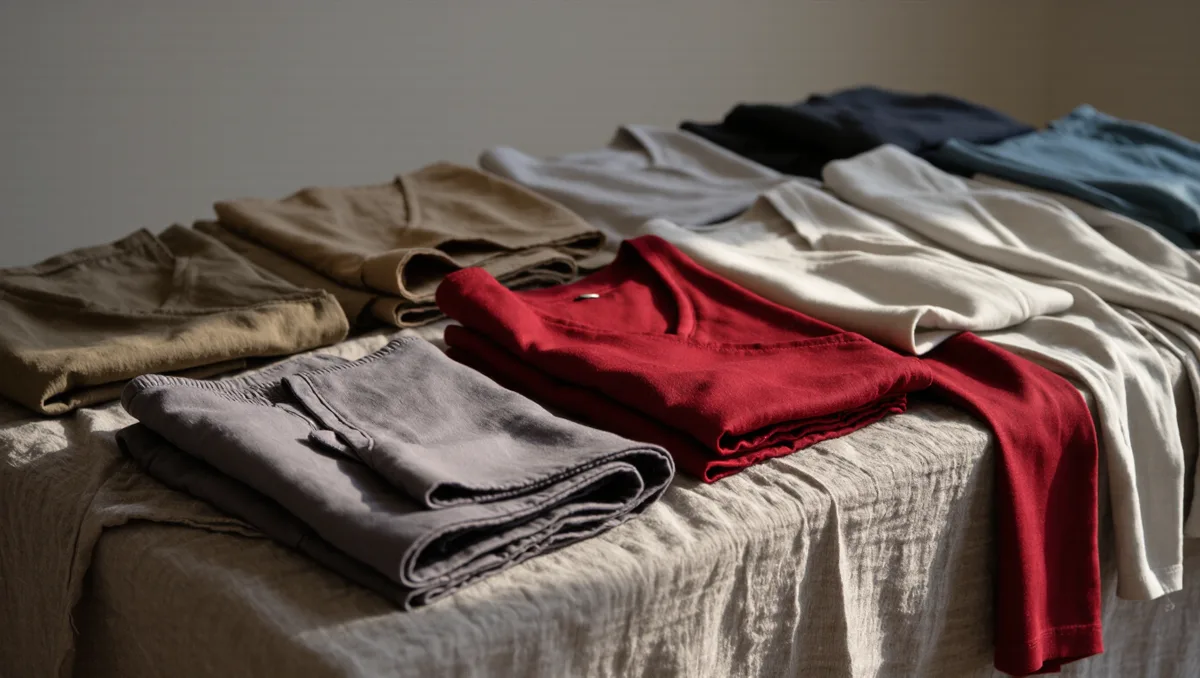
Proportion and texture, not luck, separate a styled stack from a pile of clothes.
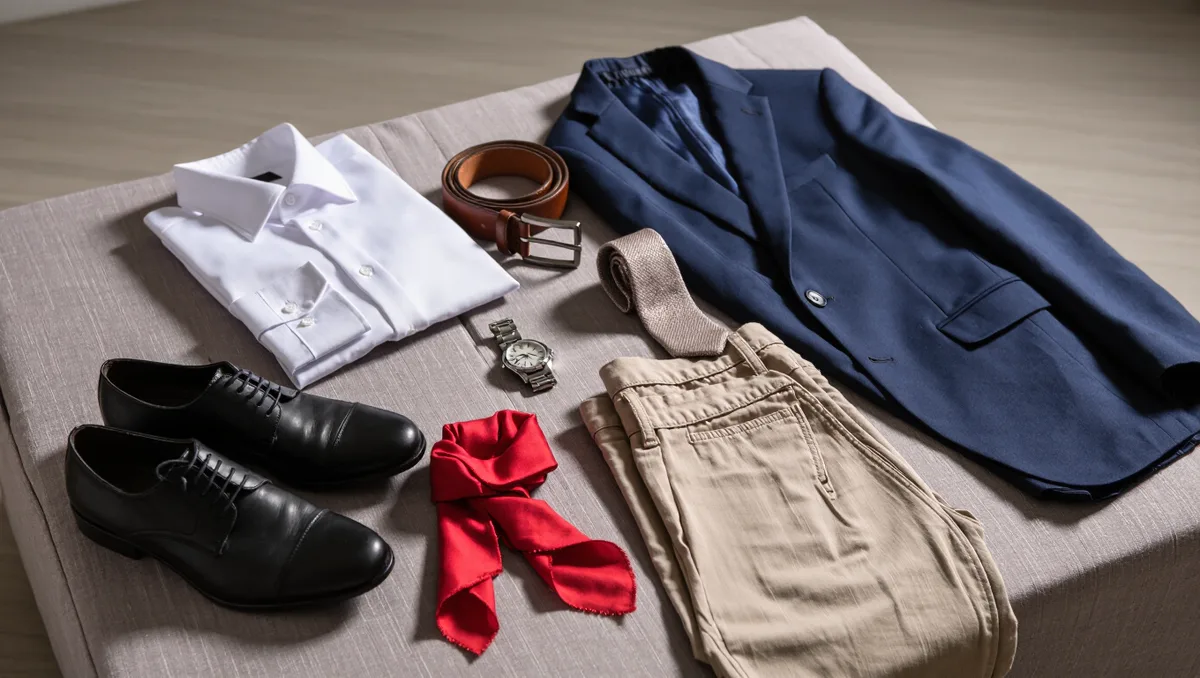
A plain-language decoder for wedding and event invitations, so the phrase on the card tells you exactly what to wear.
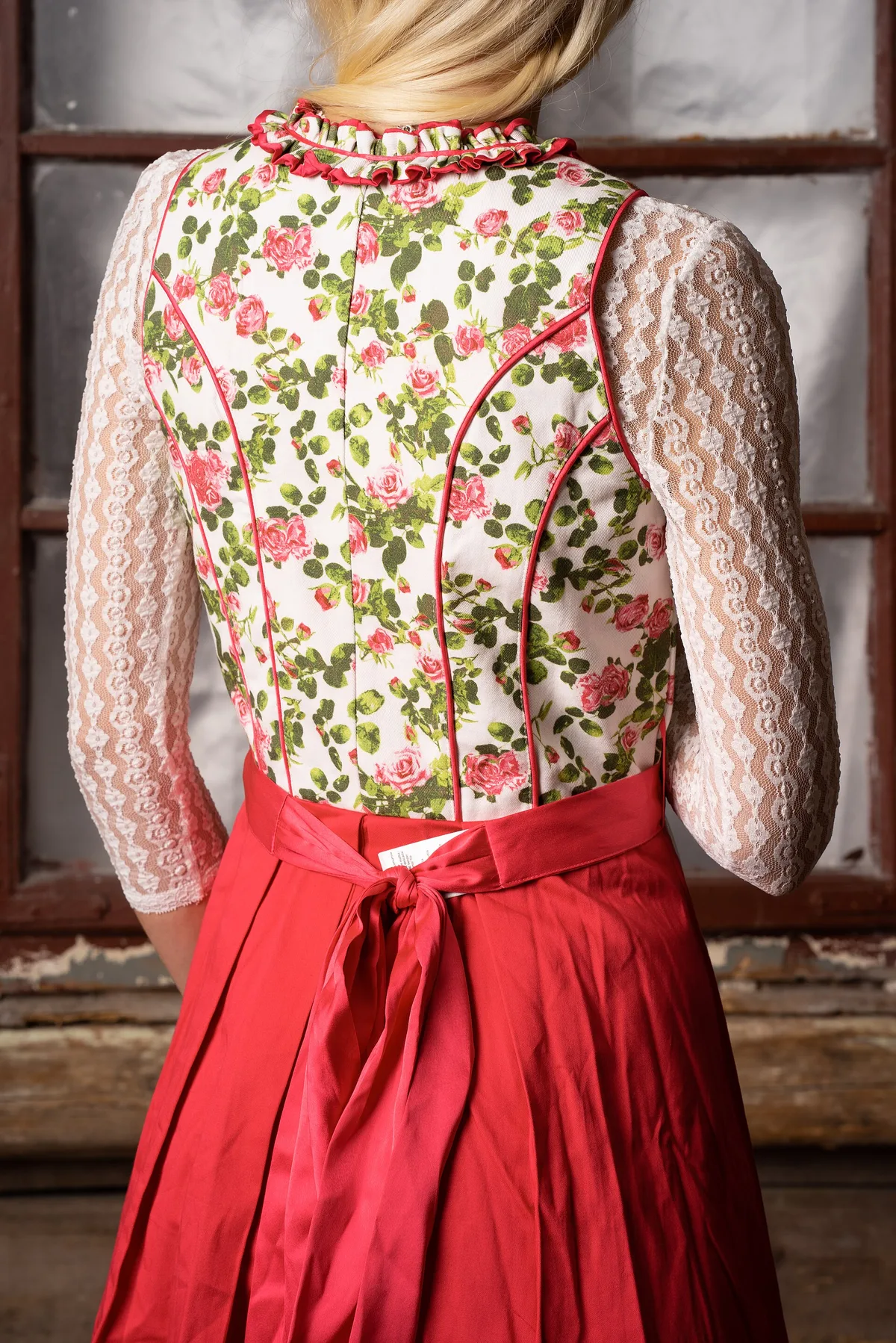
Quality seams are easy to judge once you know what to look for. Turn the garment inside out and read the stitch line, the finish, and the placement — in that order.

From flagship blocks to consignment corners, where the city's retail actually earns your money.
One supplier, one contract, a finished product. Convenient for brands, but the fine print matters.
Four-in-hand, half-Windsor, Windsor and Pratt — which knot to tie, with which collar, and exactly how to tie each one.
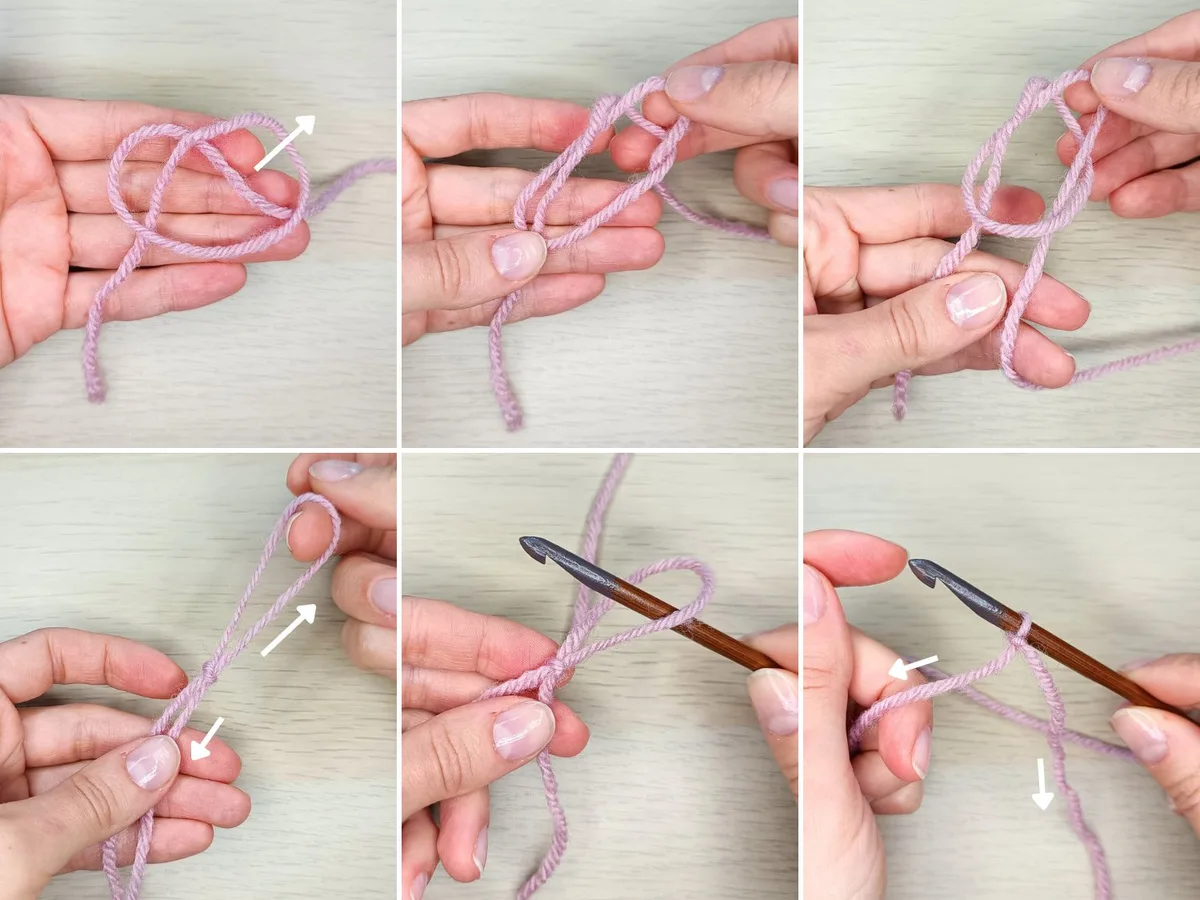
A beginner path from chain stitch to finished garment, with the pitfalls that send new crocheters back to square one flagged before they happen.
Five minutes with the envelope tells you your size, your fabric, and what the project will actually cost.
A quick look inside a garment reveals more than any price tag. Here is how to check seams, stitching, and construction before you spend.
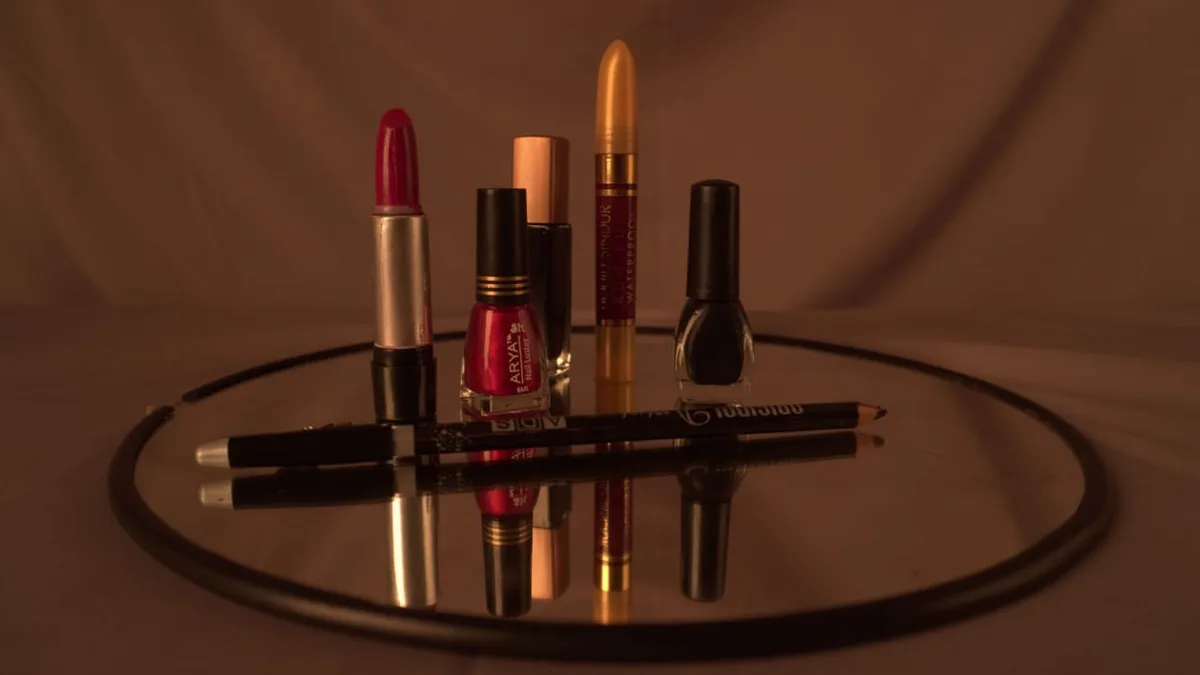
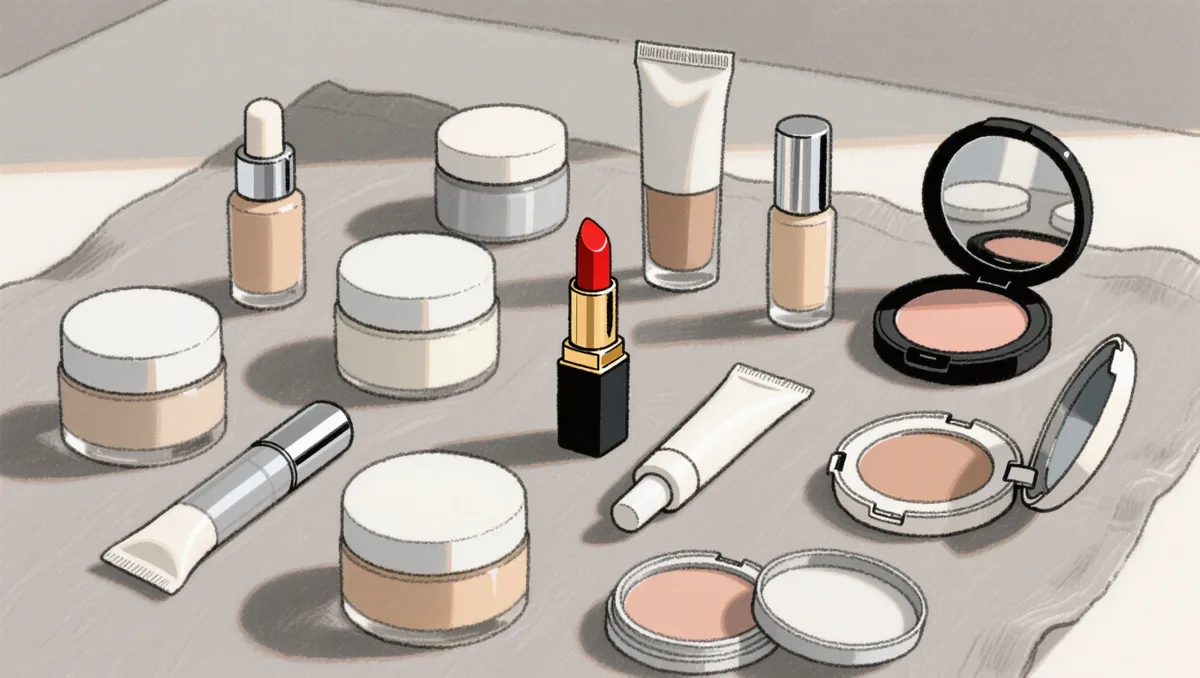
The K-beauty brand behind 350 million hydrogel masks just published a four-step base routine with two makeup artists. Here's how to run it, and when the sale makes it worth trying.
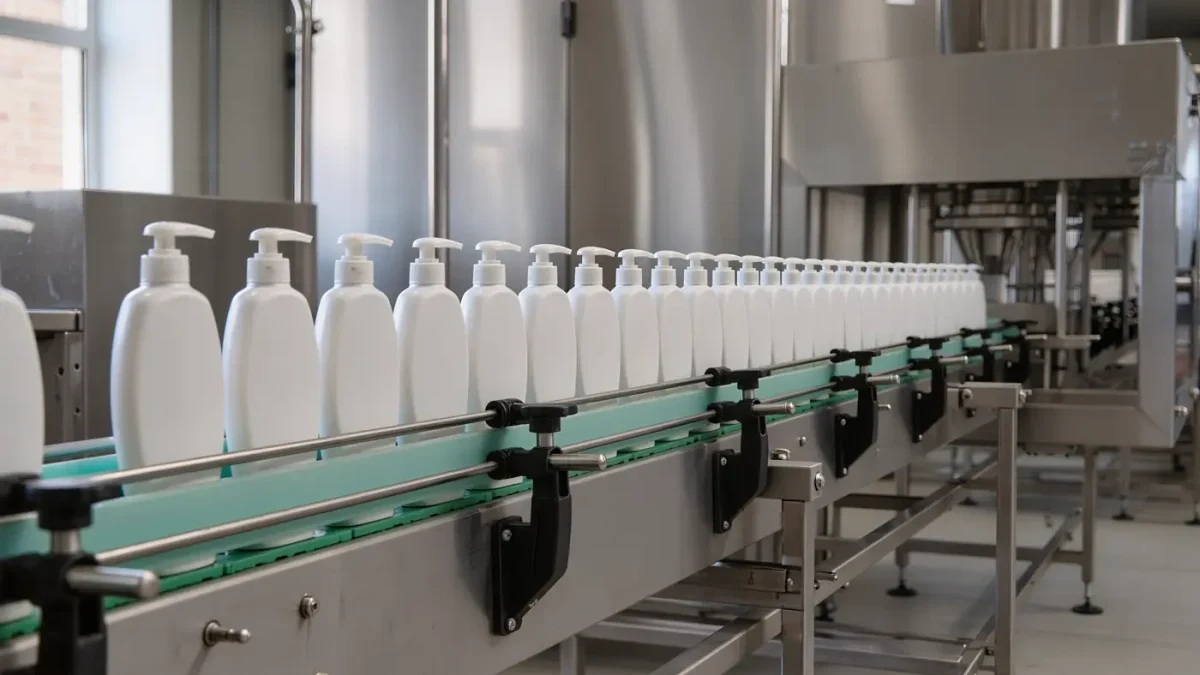
Coverage in mid-May 2026 had the German consumer group advancing sustainable packaging across its beauty lines — the supply-side story that decides whether refill culture reaches your bathroom or stalls at the marketing deck.

The anchors of the mall are not coming back as they were. They are coming back as something else.

Degrees are one door into design. Patternmaking, trade skills, and digital tools are three others — and each has a different price tag.
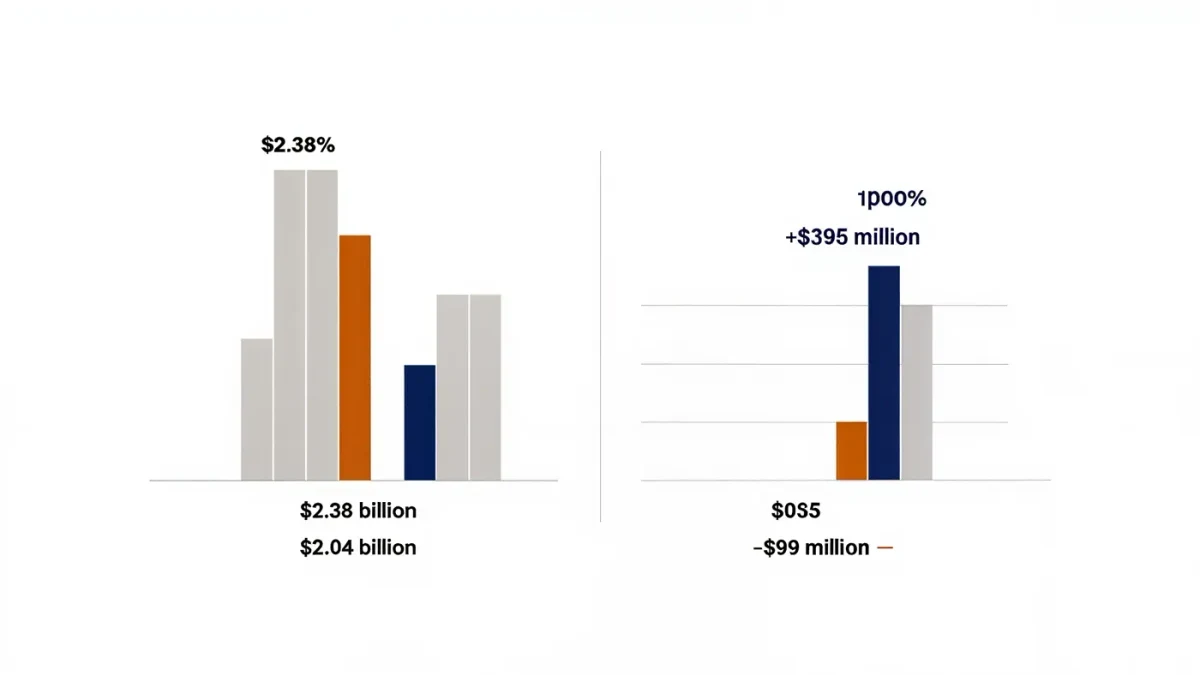
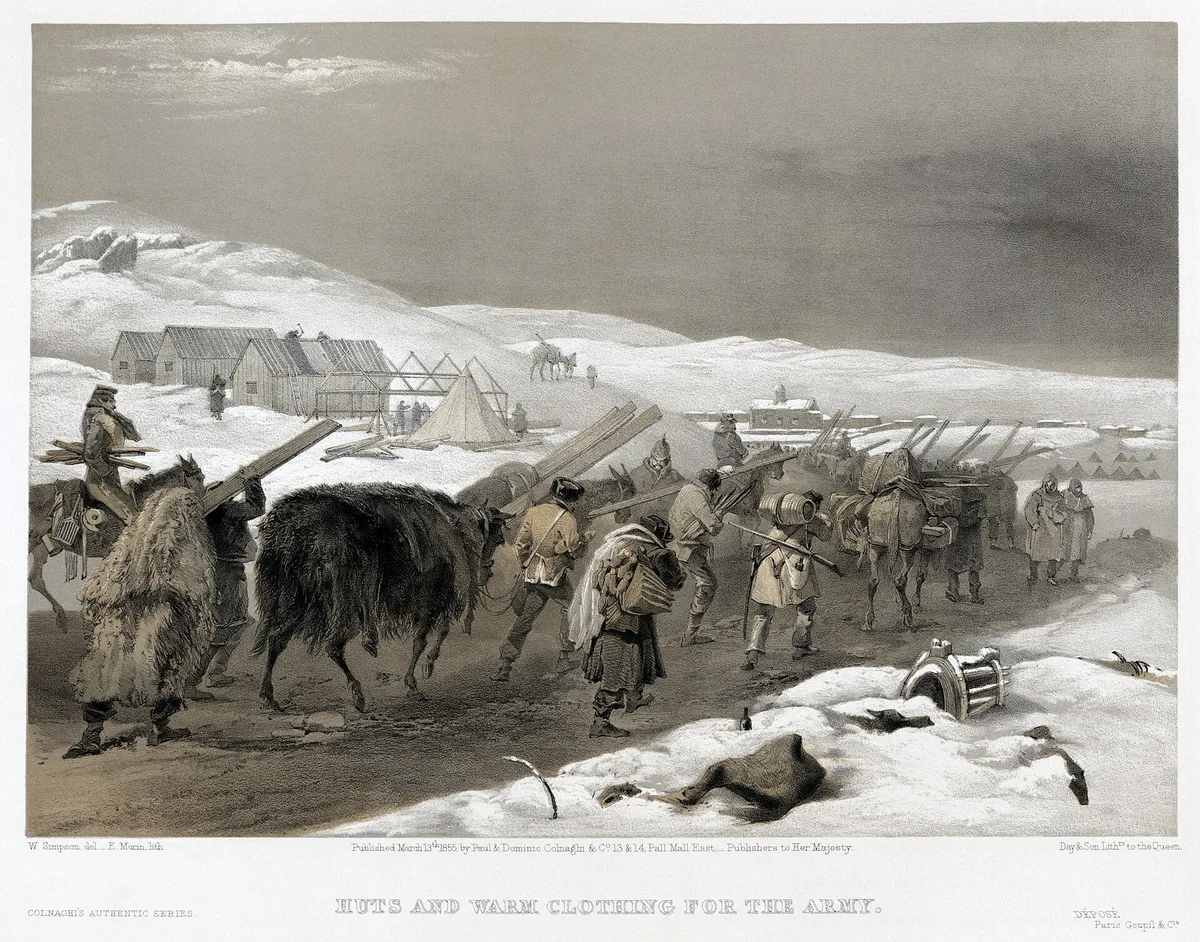
Financials disclosed ahead of Shein's planned Hong Kong listing showed US net revenue down 14.3 percent to about $2 billion in the first quarter of 2026 and a $99 million net loss, per Reuters — the clearest evidence yet that import duties changed the cheap-clothes math.

Hermès reported €8.2 billion of first-half 2026 revenue on July 29, up 6 percent at constant exchange rates with an operating margin near 41 percent, and the house's no-discount model is the lesson inside those numbers.
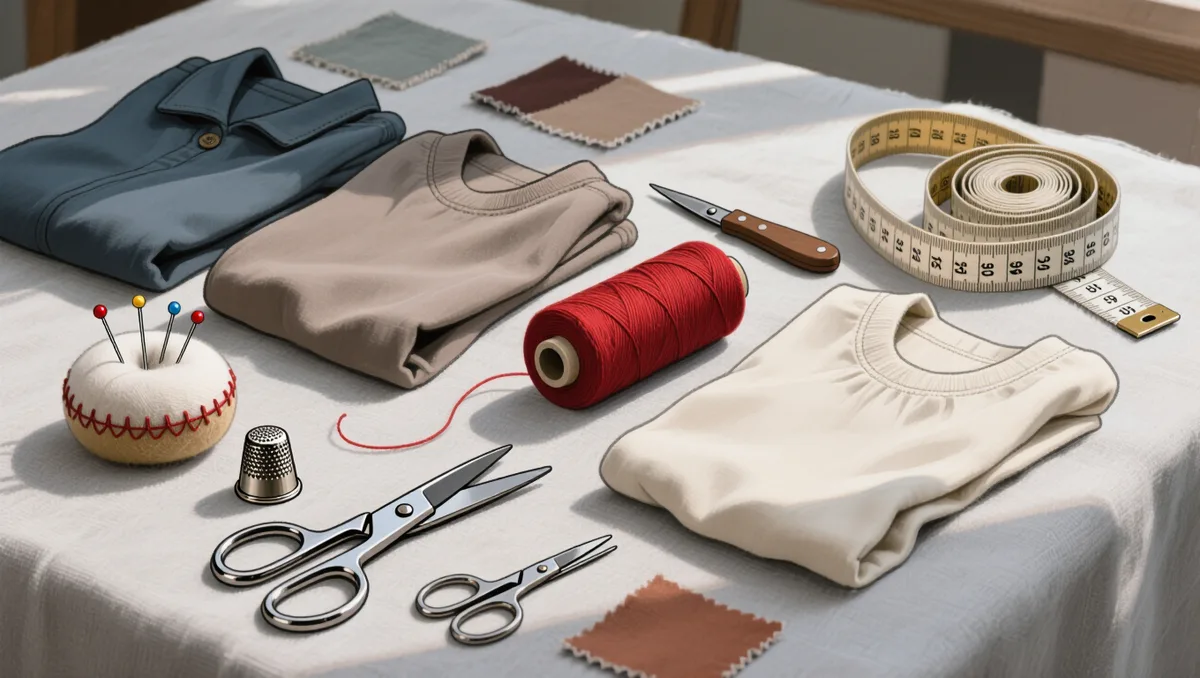
A split seam is usually a ten-minute hand-sewing job, not a reason to retire a garment. Here is the method, the tools, and the cases worth handing over.
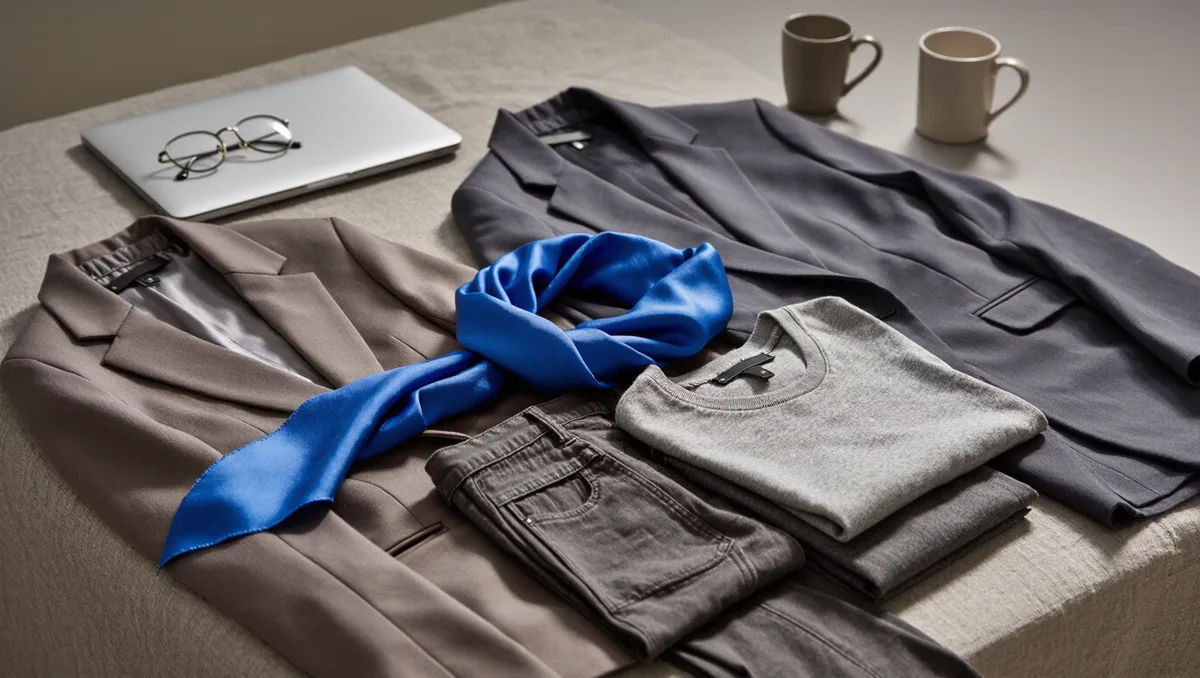
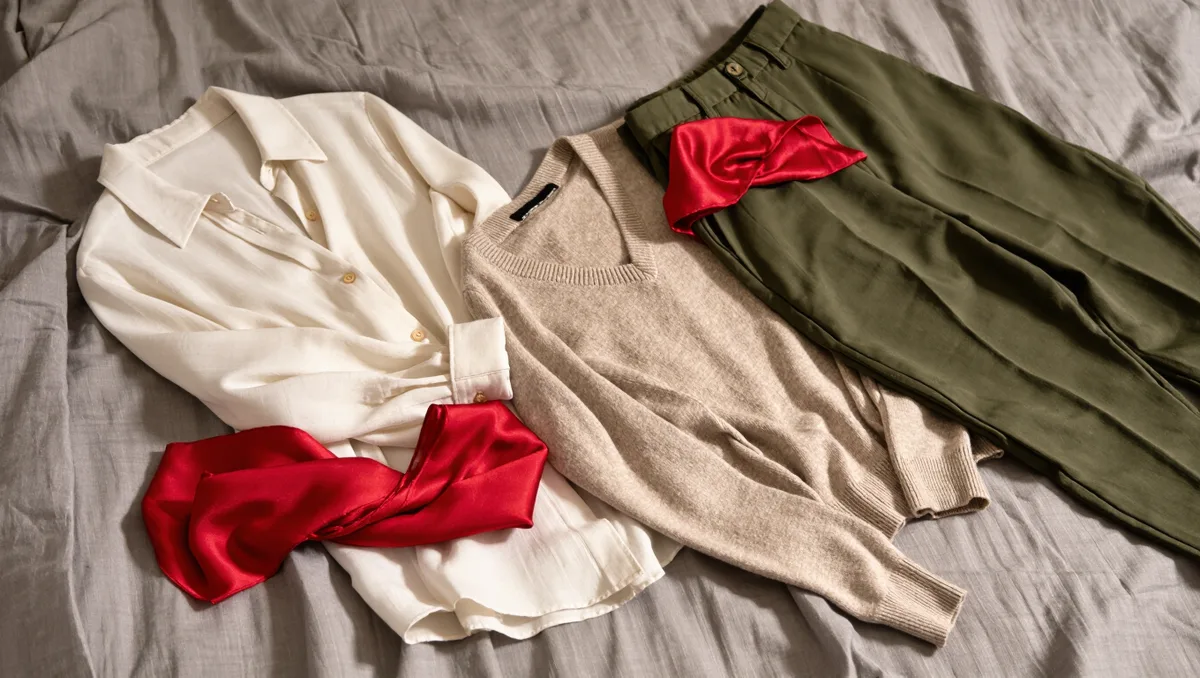
One color family, many tones and textures. Here is why the look reads as deliberate rather than flat, and how to build it.

Those little fuzz balls are friction, not failure — and the right removal tool depends entirely on the knit.

A one-color outfit works by varying texture, tone, and proportion while holding the hue constant — the way Vermeer built a painting around a single palette, one accent doing all the talking.
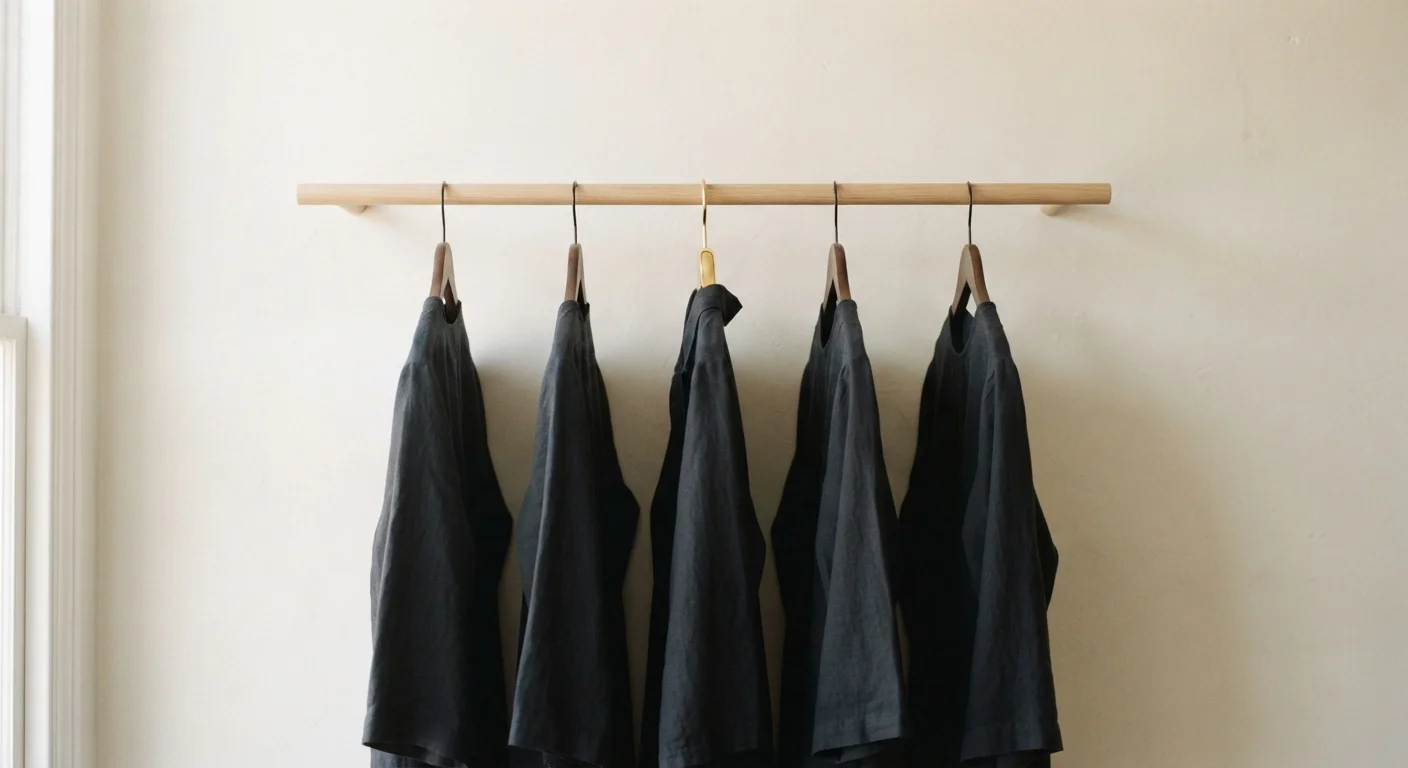
A fixed outfit is not a failure of imagination — it is a budgeting decision, and the documented wearers of the uniform, from Obama to the mid-century Mondrian collectors, understood exactly what they were buying.
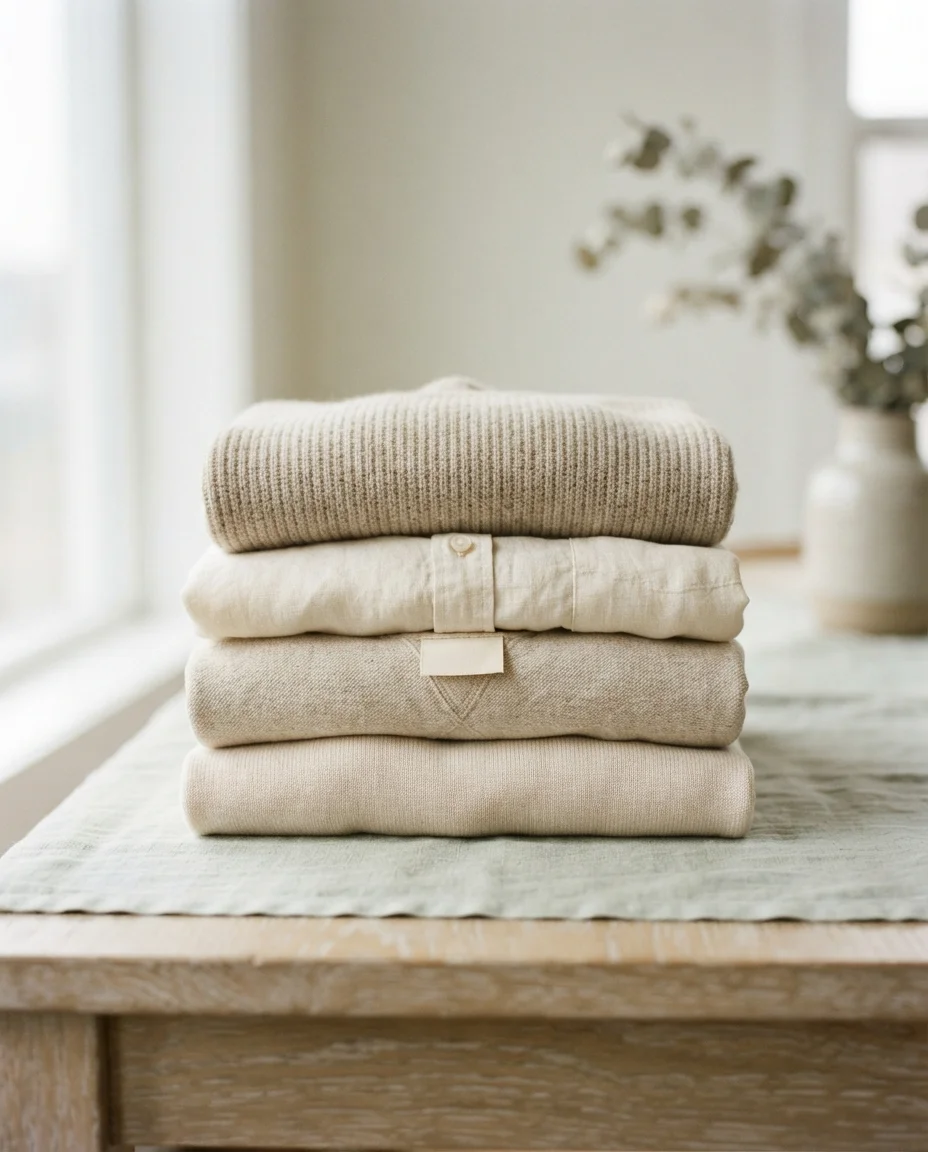
A garment's fiber label is the most honest sentence in shopping — the U.S. Federal Trade Commission requires it to be accurate — and five fiber names tell you most of what a purchase decision needs.

The sequence matters as much as the products themselves. Here's the step-by-step order that actually lets each formula do its job.
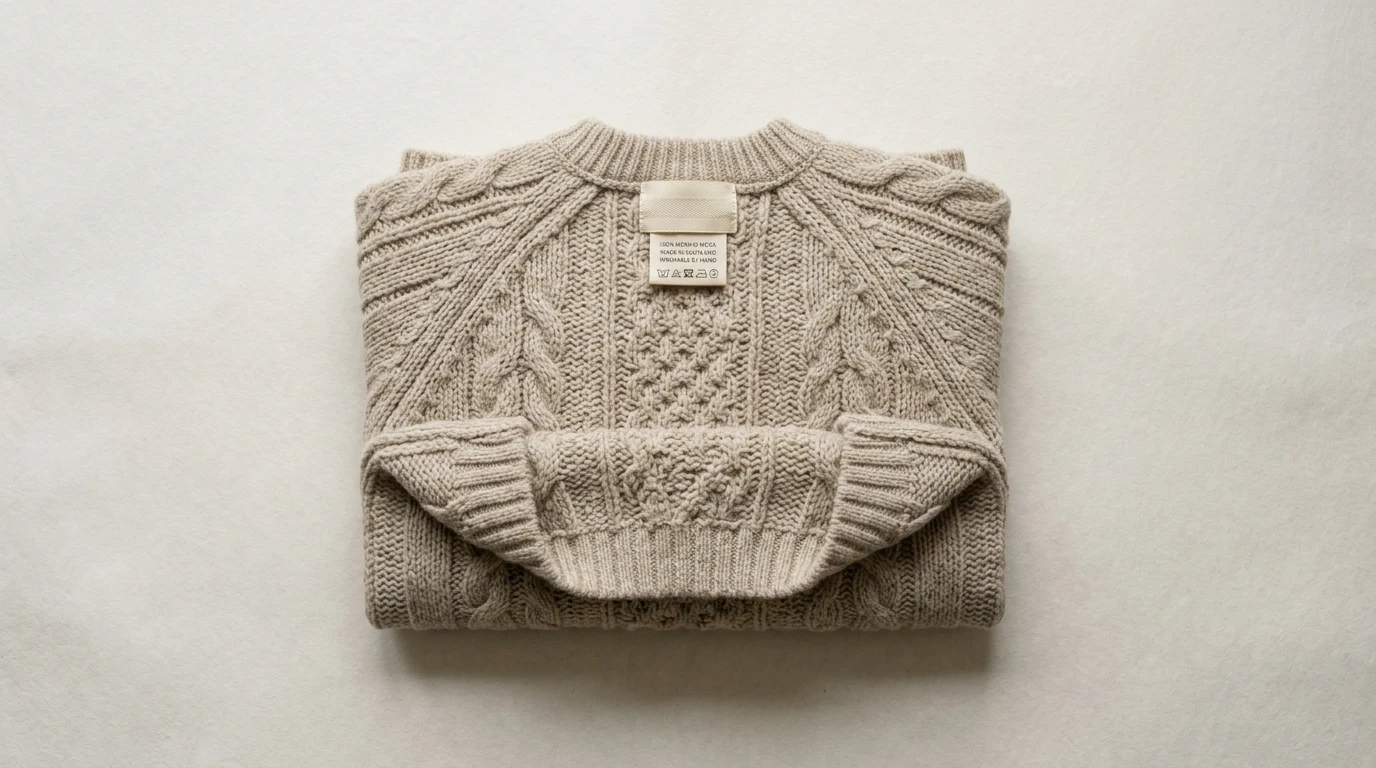
Fiber content, care instructions and the checks no label is required to make — a shopper's guide to the two minutes before the register.