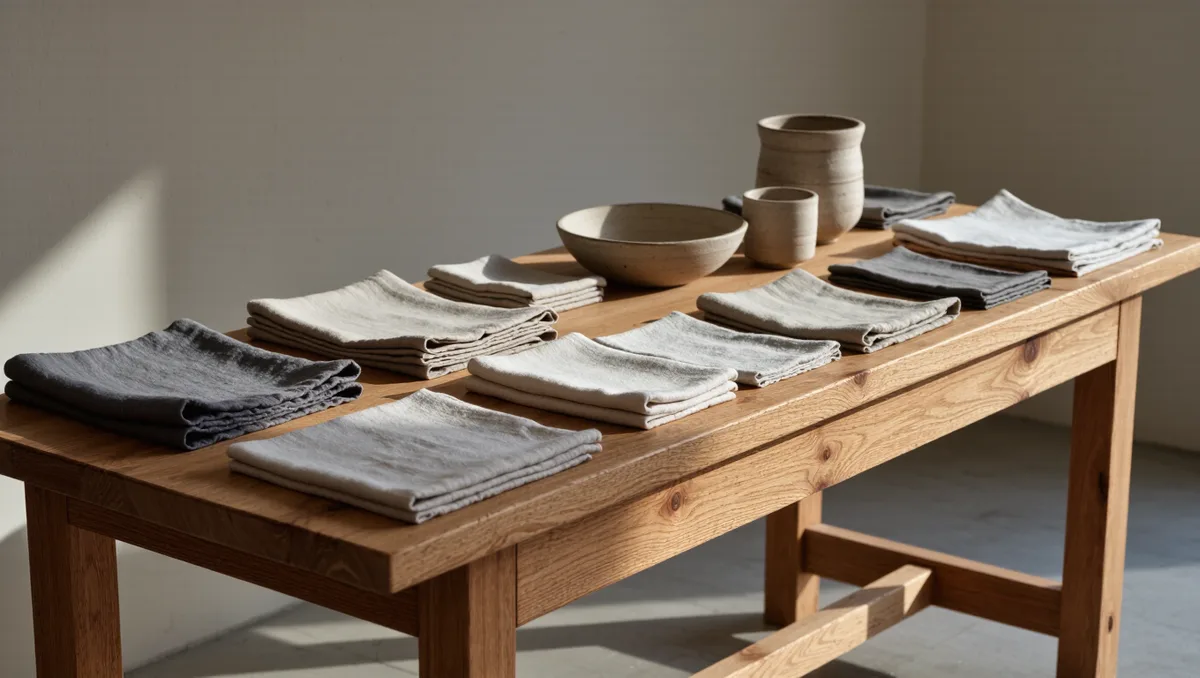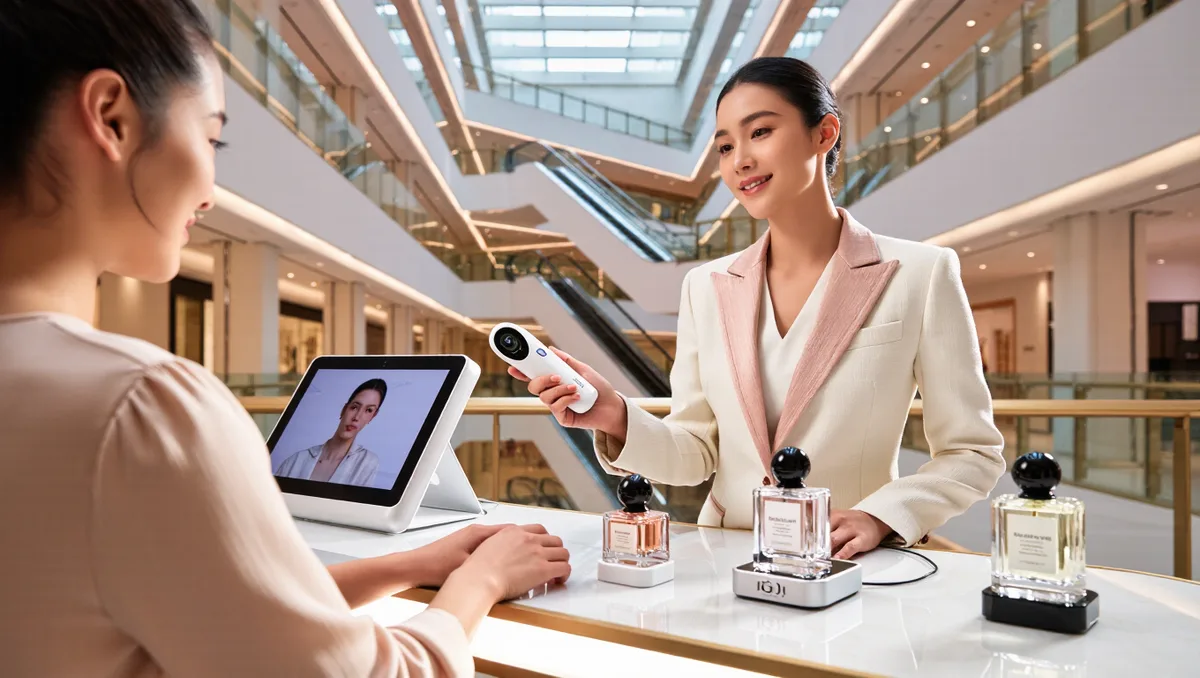
The department store's future does not look like the department store's past. The big floor-by-floor catalogue of everything is gone, and nobody is rebuilding it. What is replacing it is smaller, more focused, and built around things a website cannot do: a facial you booked in advance, a tailor who knows your measurements, a returns counter with a human who can actually solve your problem.
That is the short answer. The longer answer is that legacy retailers stopped competing with online shopping on selection and started competing on service, physical experience, and trust. It is a bet on what a store is for when buying is no longer the main reason to visit one. This piece explains what changed, why beauty counters are at the center of it, and what it means for your money.
Why did department stores struggle in the first place?
The old model was simple: hold enormous inventory under one roof, mark it up, and let shoppers browse. E-commerce broke each leg of that stool. Selection moved online, where no building limits it. Price comparison became a two-second habit. And the mall trip, which once anchored a weekly routine, stopped being part of most people's calendar.
What survived was the part of the store that was never about inventory: the counter where someone matches your foundation shade, the alterations desk, the sense that a purchase comes with a person behind it. Retailers that treated those as overhead cut them and shrank. Retailers that treated them as the product started rebuilding around them.
What does the reinvention actually look like?
Three patterns keep showing up across the sector, and they are worth separating because they cost very different amounts to run.
- Beauty as the anchor. Skincare and fragrance carry high margins and a built-in reason to return: products run out, and shade matching is genuinely hard to do from a screen. Beauty halls are getting more square footage, more services, and more brand-dedicated counters. We covered one version of this in our piece on Target's Beauty Studio rolling out to 600 stores, where the store-within-a-store format does the same job at a discount tier.
- Rent and events instead of inventory. Some operators now lease space to brands they do not own, host pop-ups, and treat the building as a venue. The store earns from the brand, not only from the shopper. This lowers the risk of holding stock nobody wants.
- Services as the moat. Alterations, personal styling, click-and-collect, and easy returns are things a pure online player finds awkward. A store that solves a problem in person earns a visit that no checkout page can.
The luxury end is running its own version of this experiment under financial pressure. Saks Global just left bankruptcy with 15 stores, and a much smaller footprint changes the calculation: fewer, better-run locations instead of a store in every market. For related coverage, see Saks Global just left bankruptcy with 15 stores — here is what that changes for your luxury budget.
Where do returns and guarantees fit in?
Here is the part most coverage skips. A physical store's biggest structural advantage over online retail may be what happens after the sale.
According to Your Europe, the European Union's official consumer guidance portal, EU law gives shoppers a minimum two-year legal guarantee against faulty goods, and retailers are bound by the public claims they make about their products in ads and on labels. That legal framework applies whether the sale happens on a screen or across a counter. But exercising it is easier in person. A returns desk with a staff member who can inspect a seam, match a shade, or process a same-day refund turns a legal right into a five-minute errand.
For shoppers, that is a real, if unglamorous, reason to care about who survives this transition. A retailer that invests in after-sale service is investing in the part of the experience the law already protects. A retailer that makes returns hard is telling you where its priorities sit.
What this means in practice: before you buy something expensive, check the retailer's return terms and whether the store can service the product locally. The guarantee on paper matters less than the friction of using it.
Does the discount end of the market follow the same logic?
Not exactly, and the contrast is instructive. Value retail is running the opposite experiment: fewer reasons to visit, more efficiency per visit. Primark's sales grew 3% while its stores emptied out, which is the value-retail version of the same question: what is a store worth when footfall is no longer guaranteed? The answer at the cheap end is density and price. The answer at the department-store end is service and experience. Both are bets that the store still matters. They just disagree about why. We covered a connected angle in Primark's sales grew 3% while its stores emptied out — the cheap-fashion math is changing.
Meanwhile the online giants are discovering their own limits. Shein's US revenue fell 14.3 percent as tariff costs landed, a reminder that the cheapest channel is not immune to cost pressure either. When online gets more expensive, the physical experience gap narrows in relative terms.
What this means for your shopping
Our analysis, read plainly from the evidence above: the department store is not being rescued by nostalgia. It is being repriced. The floor space is shrinking, the inventory risk is being pushed onto brands, and the money is going into counters, services, and after-sale care because those are the things a website structurally cannot copy.
For you, three takeaways. First, expect fewer but better-staffed stores, and expect beauty to keep taking more of the floor, because it pays for itself. Second, use the services while they exist. A free fitting, a shade match, an alteration included in the price: these are the actual product now, and they are worth more than another ten percent off. Third, keep the receipts and know your rights. The two-year guarantee framework in the EU, and equivalent consumer protections elsewhere, only work for you if you can invoke them without a fight. The store that makes that easy is the store that has figured out what it is for.
The department store that survives will not be a bigger version of the one you remember. It will be a smaller, sharper one that sells you less stuff and helps you more. If that sounds like a downgrade, watch where the beauty counters go next. The floor plan is the strategy.