Shopping
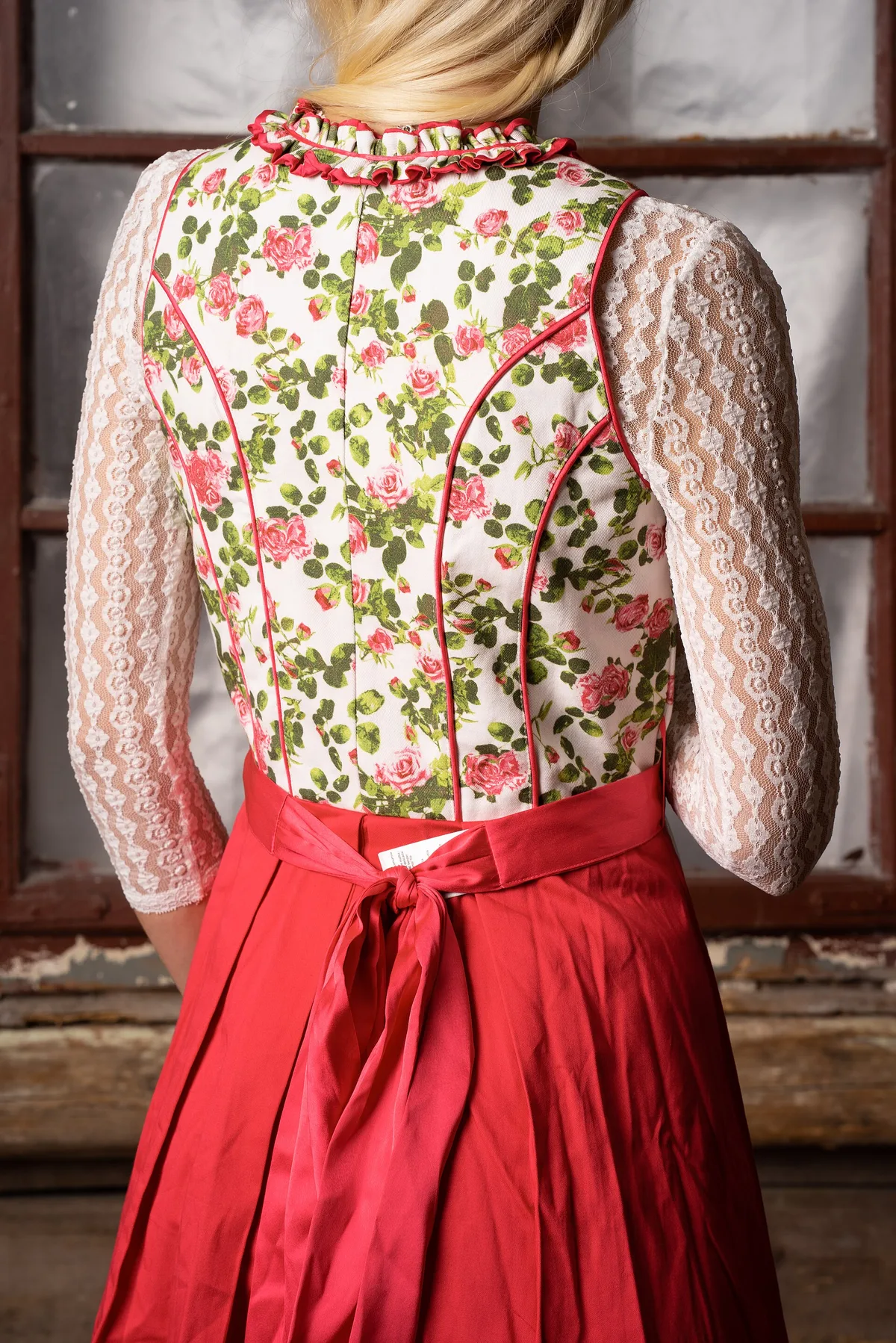
How to Identify Quality Seams Before You Buy Clothing
Quality seams are easy to judge once you know what to look for. Turn the garment inside out and read the stitch line, the finish, and the placement — in that order.
Shopping at Zebule publishes short edits rather than long lists: five or six items, each with a reason for inclusion, a price and a lower-cost alternative. Nothing appears simply because it launched this month. Useful to readers who want a decision made carefully before spending anything.
Quality seams are easy to judge once you know what to look for. Turn the garment inside out and read the stitch line, the finish, and the placement — in that order.

From flagship blocks to consignment corners, where the city's retail actually earns your money.
One supplier, one contract, a finished product. Convenient for brands, but the fine print matters.
Those little fuzz balls are friction, not failure — and the right removal tool depends entirely on the knit.
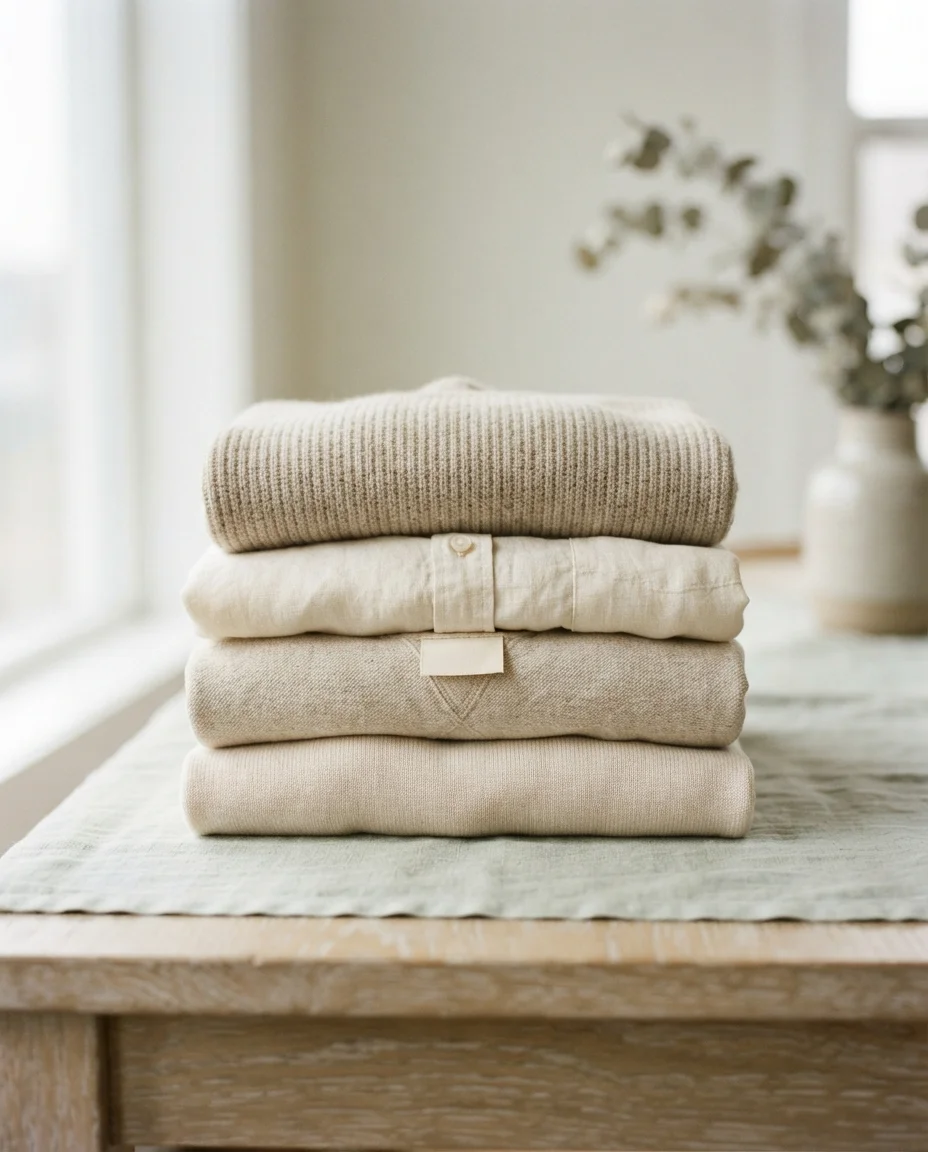
A garment's fiber label is the most honest sentence in shopping — the U.S. Federal Trade Commission requires it to be accurate — and five fiber names tell you most of what a purchase decision needs.
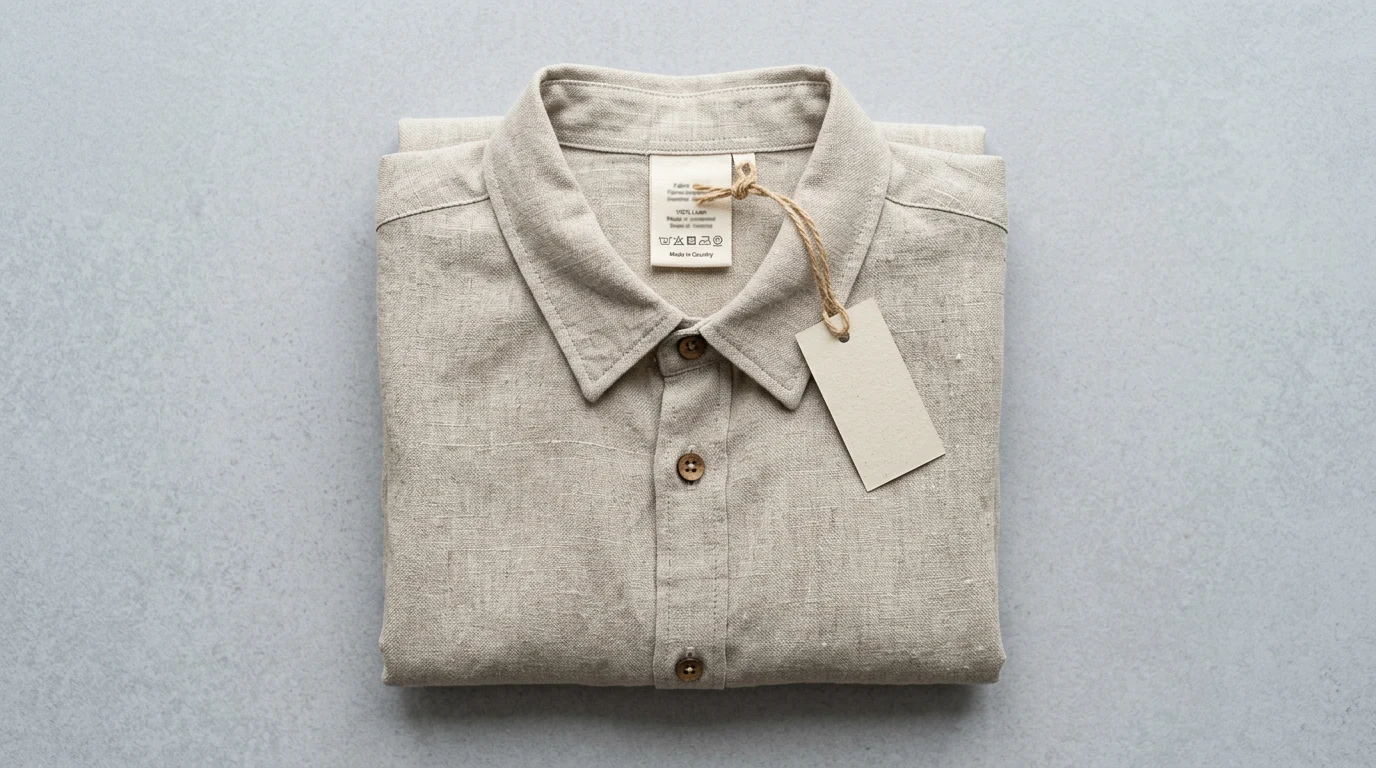
The three lines a garment tag is legally required to carry, what each one actually guarantees, and the checks you have to make with your hands instead.