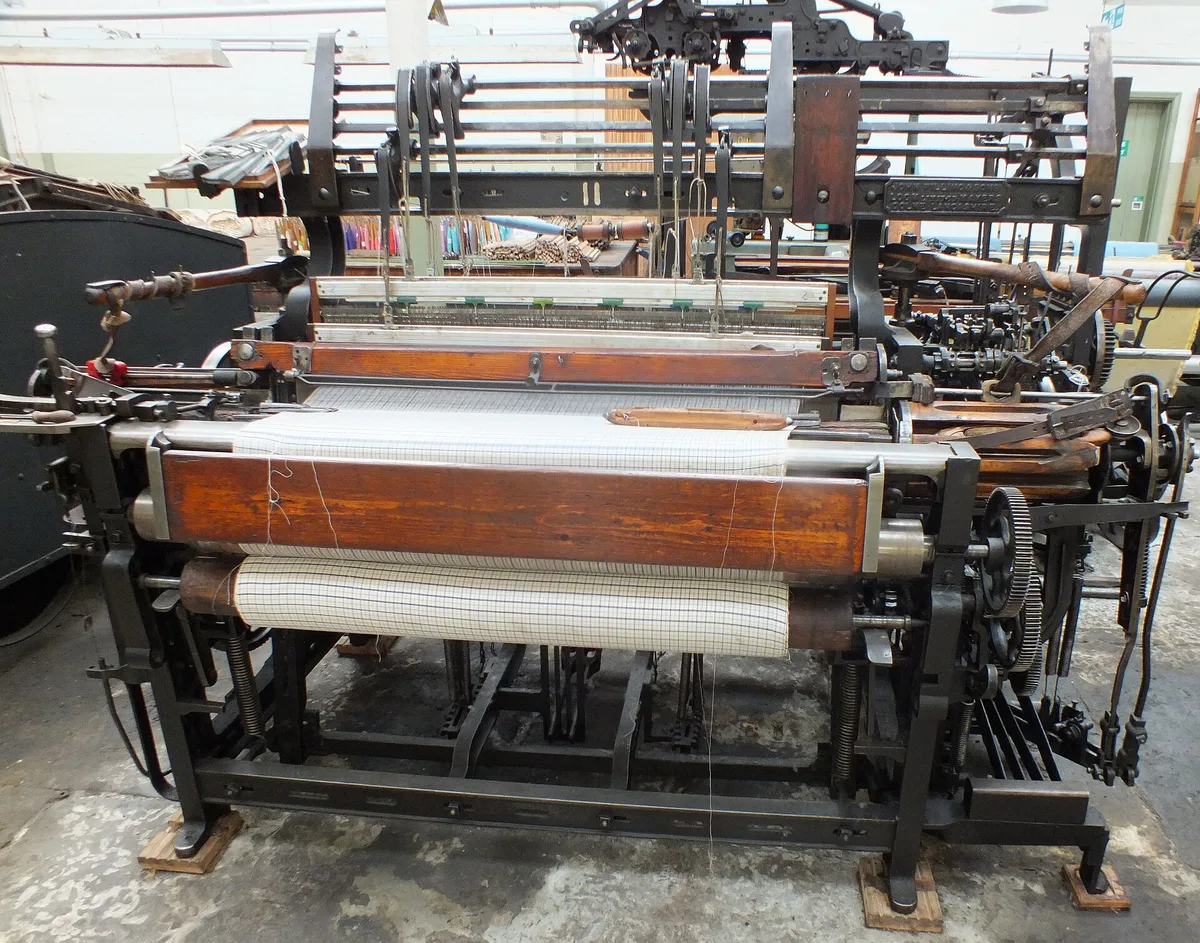
Every garment changes as the months pass. Soft fuzz appears on a favorite sweater, colors dull after repeat washes, and elbows start to look worn. Those changes are not random. They follow patterns set by the fibers, the way the fabric was made, and how you care for it.
Knowing what to expect helps you shop smarter and wash smarter. A pill is a small ball of fibers that forms on cloth, and it is one of the most visible signs of wear. Here is what causes it, which fabrics resist it, and how to slow the clock on the whole process.
What Pilling Actually Is
Pilling is a surface defect of textiles caused by wear, and it is widely seen as a flaw. Washing and wearing push loose fibers out from the surface of the cloth. Over time, rubbing rolls those fibers into small balls that stay anchored by fibers that have not yet broken. The industry describes four stages: fuzz formation, entanglement, growth, and wear-off.
Pills show up where clothes rub the most. Expect them on collars and cuffs, and around the thighs and rear of trousers. They rarely harm how a garment works, but heavy pilling thins the cloth, and a thinned spot is more likely to end in a hole.
Fibers and Weaves That Pill More
All fabrics pill to some degree, but not equally. Fibers such as linen and silk pill less than most. Wool, cotton, polyester, nylon, and acrylic tend to pill the most. There is a twist, though. Wool pilling fades with time as weak fibers break away, while pills cling to strong synthetic fibers and refuse to drop off.
Construction matters as much as fiber type. Longer fibers pill less than short ones, because fewer ends can stick out of the yarn. Knitted fabrics pill more than woven ones, since the yarn crossings sit farther apart. For the same reason, a tight knit pills less than a loose one. For related coverage, see How to Identify Quality Seams and Construction Before You Buy.
Blends behave in their own way. When a strong fiber is mixed with a weak one, the weak fiber wears and breaks first, and the strong one holds the pills onto the cloth. A soft mix can therefore look worse than either fiber alone.
Fading and the Rest of Slow Wear
Color loss is the other quiet change. Fabric buyers and makers track color fastness, thread count, and pilling among the properties that decide how a textile performs in daily use. A fabric that sheds dye early will look tired long before its structure gives out.
Durability itself has a wide range. The durability of textiles is an important property, and common cotton or blend garments can last twenty years or more with regular use and care. Blends help here: clothing woven from a cotton and polyester mix can be more durable and easier to maintain than pure cotton. In consumer fabrics, looks and comfort lead the list of priorities, so everyday pieces trade some strength for feel.
How to Slow Pilling Down
The industry fights pilling during production. Makers singe loose fibers off the surface, spin yarn with many twists, apply coatings that bind fibers down, and treat cotton with enzymes that remove loose fibers. Consumers can borrow the same logic at home:
- Turn clothes inside out before washing to cut down surface rubbing.
- Wash gently and keep rough fabrics away from smooth ones in the load.
- Try soil release treatments that help the fabric surface shed fuzz.
- Remove pills by shaving the fabric once they have formed.
None of these steps stops wear forever. They stretch the window in which a garment still looks fresh, which is often all you need from a daily piece. We covered a connected angle in Patrick Ta and NikkieTutorials' pre-makeup routine, translated into steps you can actually follow.
Conclusion: Match the Fabric to the Job
Wear is a deal you make when you buy fabric. Fiber, weave, and care decide how fast the bill comes due. If you want a smooth surface for years, favor tight weaves, longer fibers, and blends built for strength. If you love a loose knit, plan to wash it gently and shave it now and then. Expecting the right kind of wear is the difference between a garment that ages well and one that disappoints.