Good construction hides in plain sight, and nowhere more than at the seams. A seam is the join where two or more layers of fabric are held together with stitches, and how well that join is made decides whether a garment survives its third wash or gives up before its second wear. Price tags tell you very little. The inside of the garment tells you almost everything.
The good news is that seam quality is one of the fastest checks in shopping. Turn the piece inside out, run your eye along the joins, and you will know more in a minute than any label can tell you. Here is what to look for. Readers following this should also see How to read a clothing label before you buy.
What a Seam Actually Is
Seams are classified by their type — plain, lapped, abutted, or French — and by their position in the finished garment, such as the center back seam, the inseam, or the side seam, according to Wikipedia's seam entry. The same entry notes that seams in modern mass-produced clothing are sewn by computerized machines, which is why the stitching itself is usually even. Your job is to judge everything built around that stitching.
The craft is standardized, too. Per the same entry, the most common standard for seams is ASTM D6193-16(2020), which also covers various types of stitches. You do not need the paperwork. You only need to know that seams can be judged, not shrugged at.
Seam Types That Signal Skill
Start with the most common option. A plain seam is the most common machine-sewn seam; it joins two pieces of fabric face-to-face and leaves a seam allowance with raw edges inside the work. Because those raw edges can fray, the allowance usually requires a seam finish — often an overlock in ready-to-wear. If the inside shows loose, unraveling threads instead of a tidy finish, the maker cut that corner.
Two construction choices are worth a small premium. A French seam encloses the raw edges fully for a neat finish — the seam is sewn with the wrong sides together first, then the work is flipped and a second seam is sewn with the right sides together, trapping the raw edges inside. And on jeans, a true flat felled seam, produced on a double needle machine, is most often used for the inseam, the yoke, and the crotch seam, where strength matters most.
What to Check Inside the Garment
Check the finish first. A seam finish is a treatment that secures and neatens the raw edges of a plain seam to prevent raveling, either by sewing over the raw edges or enclosing them in a binding. On lightweight fabrics, including silk and chiffon, and on unlined garments, a bound seam — each raw edge wrapped in a strip of binding — produces the neatest result.
Then check the line itself. Stitches should sit straight and even, with no puckers along the seam. Give the seam a gentle pull; it should hold without gaping or popping. These are common-sense checks, but they catch most of the defects you will meet in a fitting room.
Seam Placement Tells You About Fit
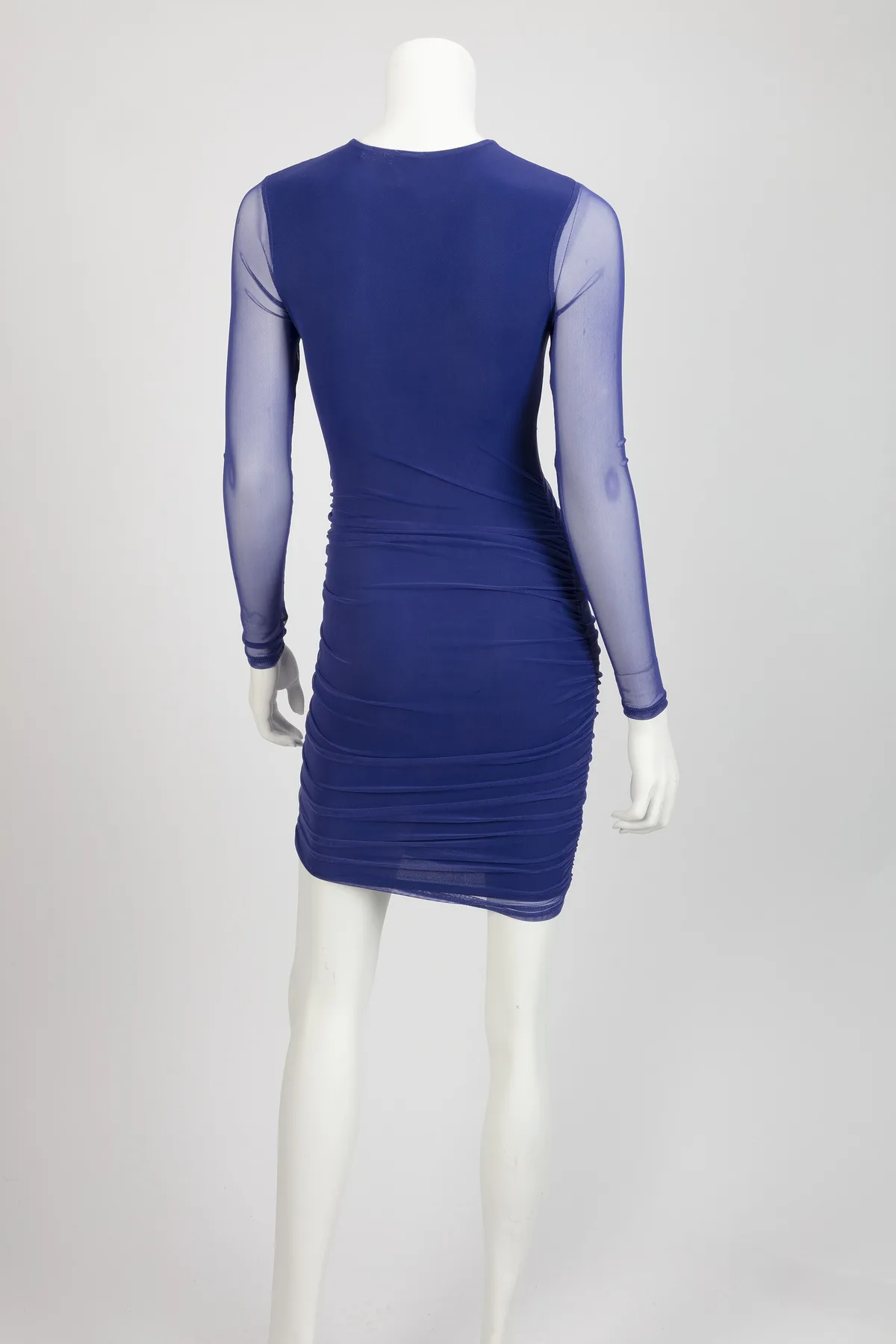
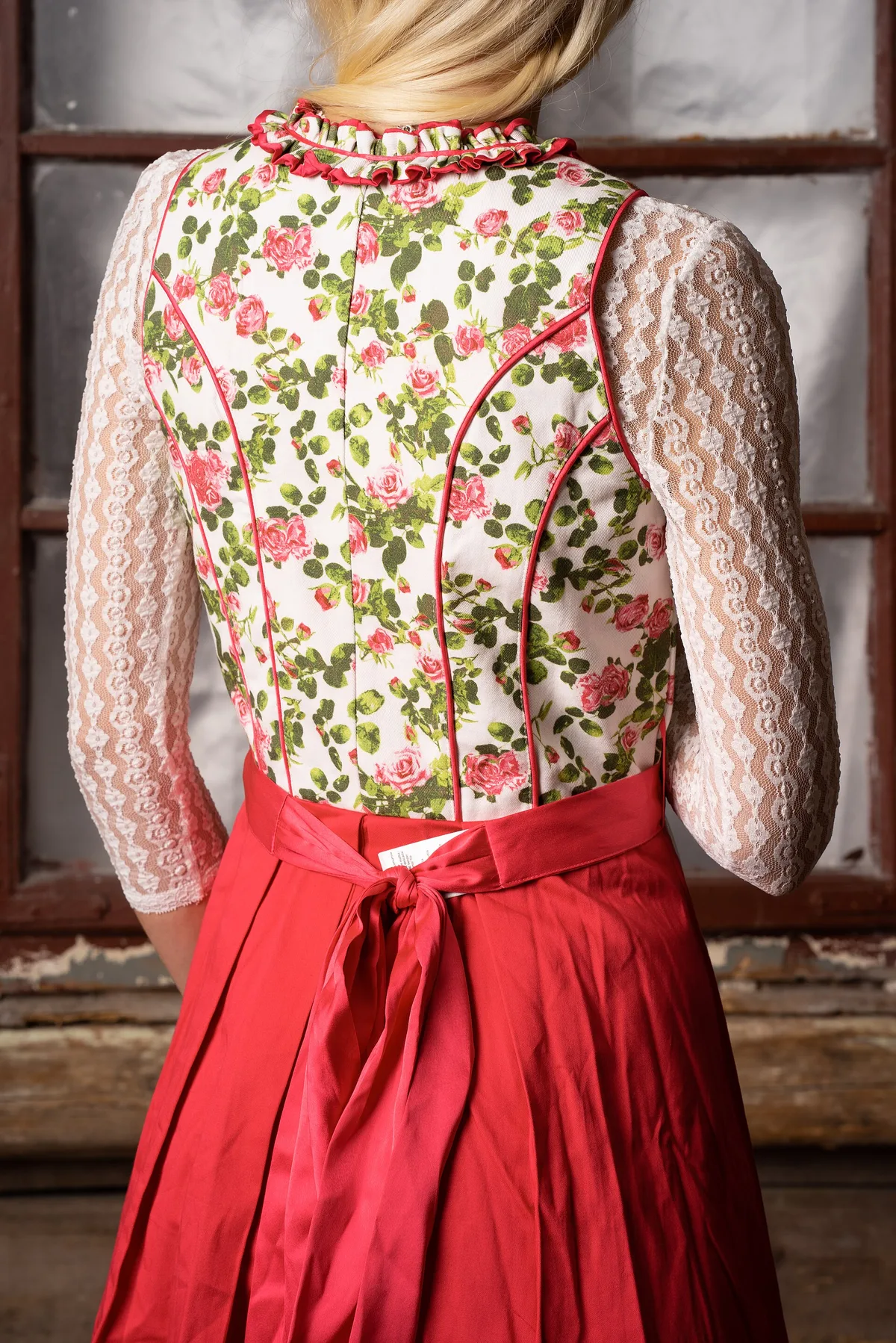
Position is the last read. A center back seam can create anatomical shaping through the waist and hips. Side-back seams run from the armscye to the waist and fit the garment to the curve below the shoulder blades. Princess seams shape the garment to the body's curves and eliminate the need for darting at the bust, waist, and shoulder. The more deliberately these seams are placed, the more the garment was shaped rather than simply sized.
Conclusion: Read the Inside Before the Label
Quality seams come down to three reads: the type chosen for the fabric, the finish that protects the raw edges, and the placement that shapes the body. Turn the garment inside out, look for enclosed or overlocked edges and an even stitch line, and you will buy better clothes with nothing but your own eyes. We covered a connected angle in How to read a fabric label before you buy.