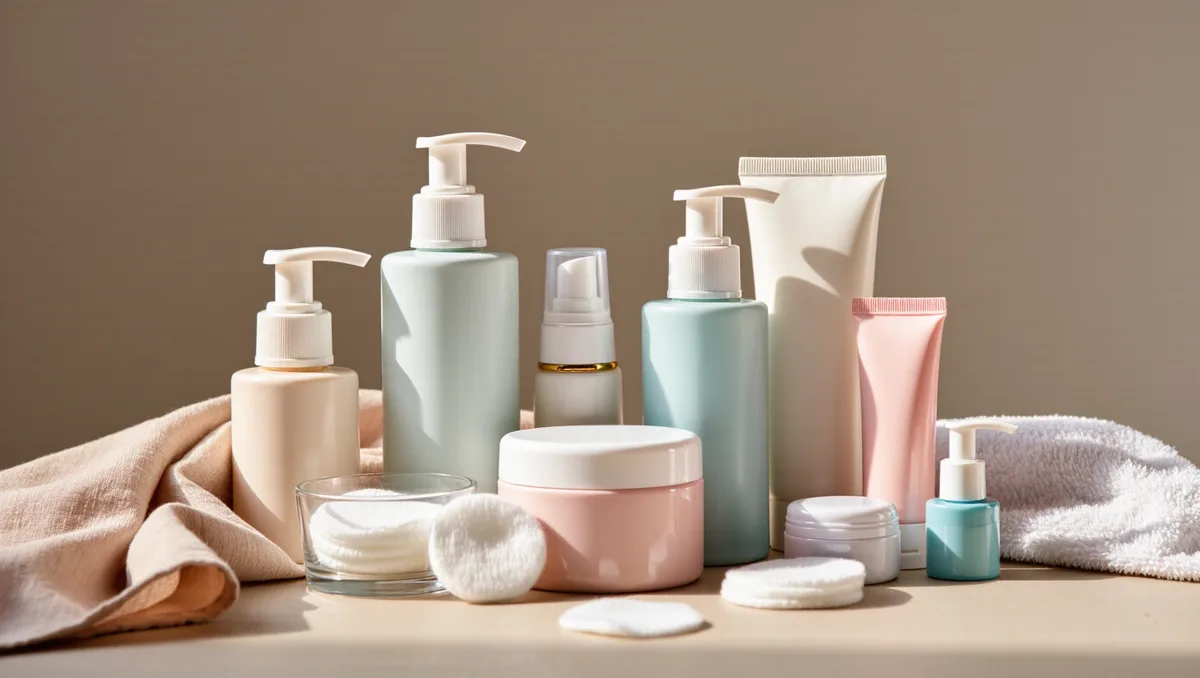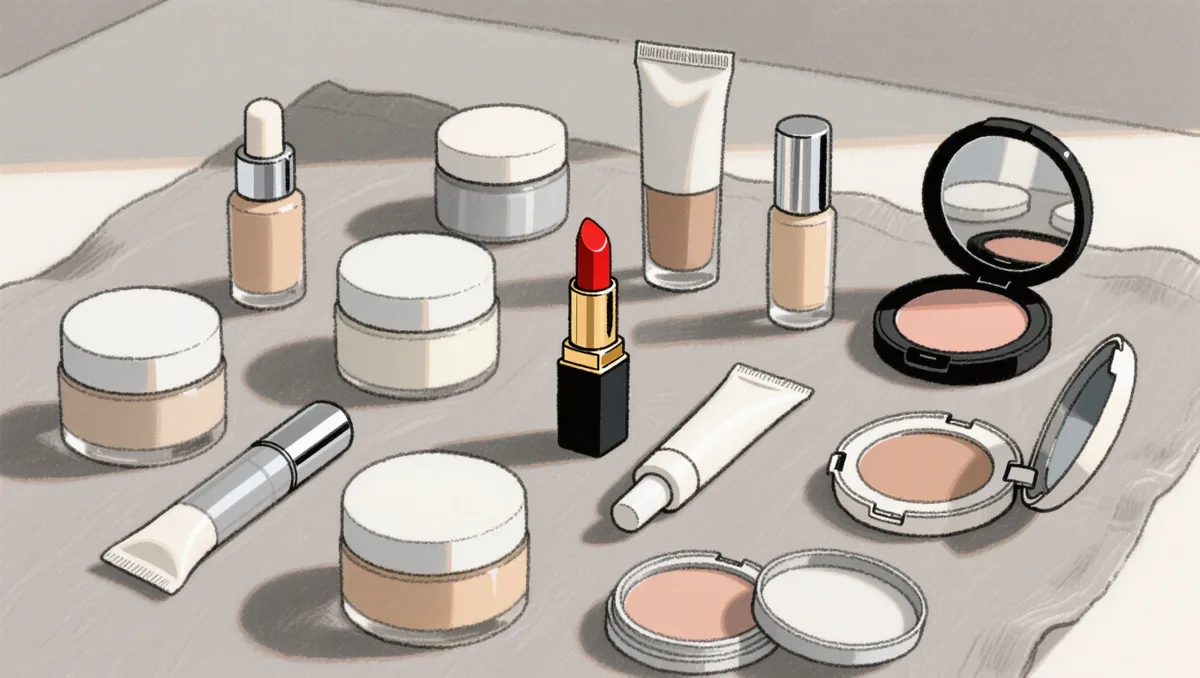
ACT Beauty, a French group better known for packaging and accessories, is now selling complete makeup and skincare development — formula, applicator, packaging, compliance and packing, all under one roof that does not actually contain a factory. The company exhibits at MakeUp in NewYork for the first time on September 16–17, 2026, six months after its first show appearance at MakeUp in Los Angeles, with Kendo and Unilever groups already among its clients, Beauty Packaging reports.
The interesting question is not whether the service exists. It is whether handing an entire product to a single coordinator is a bargain or a trade-off, and the honest answer is: both. This is our read of the beauty news, weighed rather than repeated. For related coverage, see How to read a clothing label before you buy.
What ACT Beauty is actually selling
According to Beauty Packaging, the group's Cosmetics Business Unit combines formulation, sourcing, accessories, packaging, quality management and regulatory oversight — from a single component to a complete turnkey program. It is led by Amélie Jumel, an industrial biology engineer with 15 years of experience in cosmetic product development, regulatory affairs and industrial coordination. We covered a connected angle in Five Winter Accessories That Outlast the Trends.
The company positions itself as an "outsourced product manager". It owns no manufacturing facilities and says it deliberately avoids them, relying instead on a network of specialized partners chosen per project, with centralized in-house management across sourcing, quality, design and logistics. The unit was built after ACT Beauty acquired LAVAY Paris, a 10-year-old cosmetics development laboratory, in 2024.
Why the turnkey model is spreading
The trade publication's framing is blunt: turnkey is becoming the baseline expectation. Brands and retailers want partners who can deliver a market-ready product so their own teams can concentrate on brand building and distribution. For a fashion or lifestyle label with no lab and no regulatory staff, that logic holds. Compliance work — stability testing, safety assessments, claims substantiation, Product Information Files — is specialized, and building it in-house when it is not your core business is expensive.
There is also a flexibility pitch. A brand can brief ACT Beauty on a single packaging component, accessory or GWP alongside its existing supplier panel, rather than committing to the full program. That matters, because it stops the model from being all-or-nothing.
The trade-offs worth naming
A second opinion should sit with the awkward parts, and the source material leaves several open.
- One coordinator, many factories. ACT Beauty does not manufacture. Quality depends on a partner network it selects, and the group's own description of that network — "trusted expert partners" with "high standards" — is a company characterizing its own suppliers. It is a claim about its own operation, not independent verification.
- Convenience has a price shape. When one party handles formula, packaging and compliance, the brand buys speed and coherence. What it gives up is direct visibility into each link — and the negotiating position that comes with holding those contracts itself. The article does not state pricing, so buyers evaluating the service should ask exactly that.
- Trend-following by design. The unit says its offering follows market trends, with a growing focus on hybrid makeup formulas and on-the-go formats: multi-use sticks, hybrid balms, stick eyeshadows and liquid formulations. Efficient for launch timelines; less obviously a recipe for products with a long life.
None of these are allegations. They are the standard questions any brand — or any reader watching the beauty supply chain — should ask when a supplier consolidates this much of the process.
Who this model suits, and who it doesn't
The evidence points one way for certain buyers. Fashion and lifestyle brands without technical teams get regulatory oversight, formula-packaging compatibility and industrialization handled from concept to launch. For them, the model answers a real gap. A brand with its own development lab, or one that wants to own supplier relationships directly, has less to gain — and the source gives no data on cost, lead times or minimums either way.
The measured view: ACT Beauty's New York debut is a credible expansion by a group with named clients and a newly acquired lab behind it, not a press release with nothing in it. But "turnkey" is a promise about process, not about outcome. The product still has to be good, and no single supplier arrangement guarantees that. Ask what is included, who manufactures, and what happens when a component fails — the same discipline we'd apply to any purchase where the price tag is an opening offer.