Shopping
Pilling sweaters — Pilling on sweaters: why it happens and how to fix it safely
Those little fuzz balls are friction, not failure — and the right removal tool depends entirely on the knit.
Shopping at Zebule publishes short edits rather than long lists: five or six items, each with a reason for inclusion, a price and a lower-cost alternative. Nothing appears simply because it launched this month. Useful to readers who want a decision made carefully before spending anything.
Those little fuzz balls are friction, not failure — and the right removal tool depends entirely on the knit.
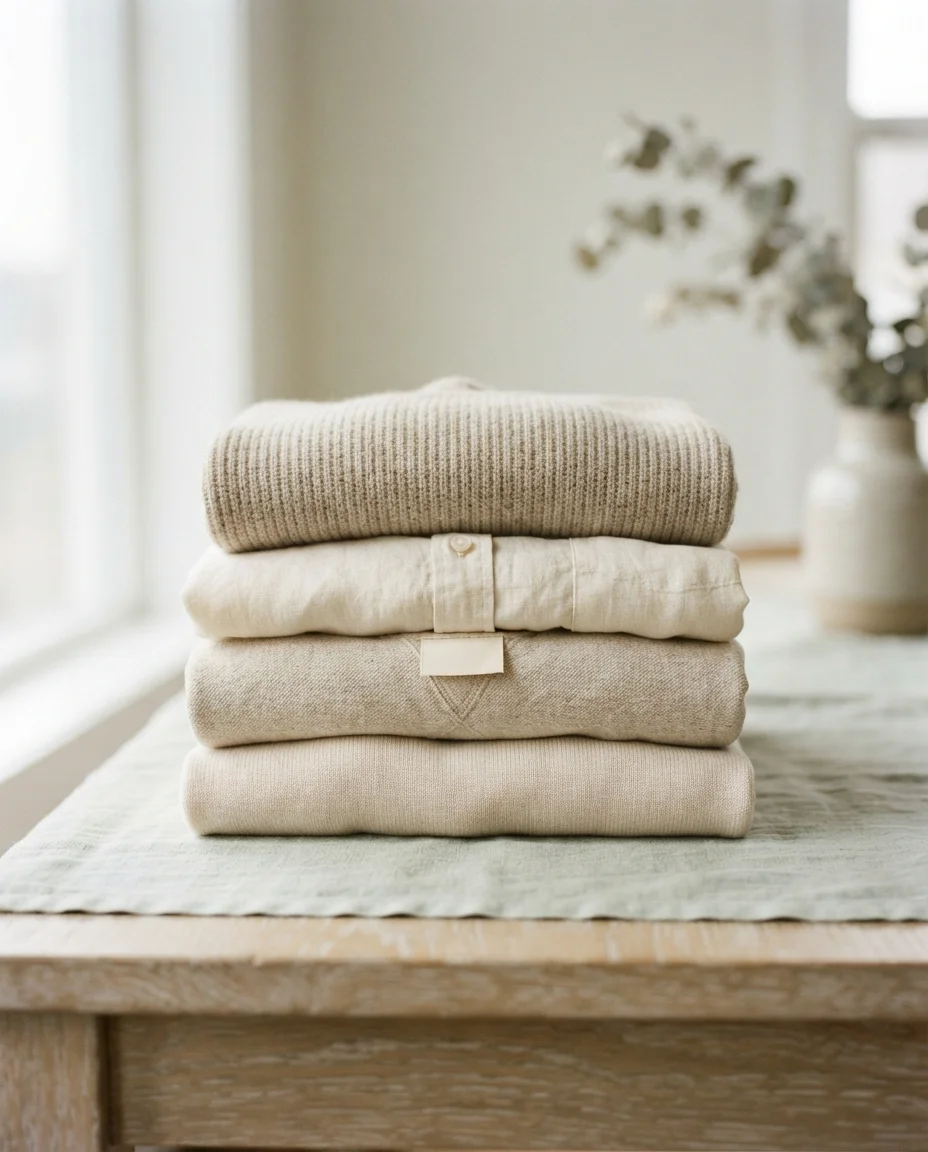
A garment's fiber label is the most honest sentence in shopping — the U.S. Federal Trade Commission requires it to be accurate — and five fiber names tell you most of what a purchase decision needs.
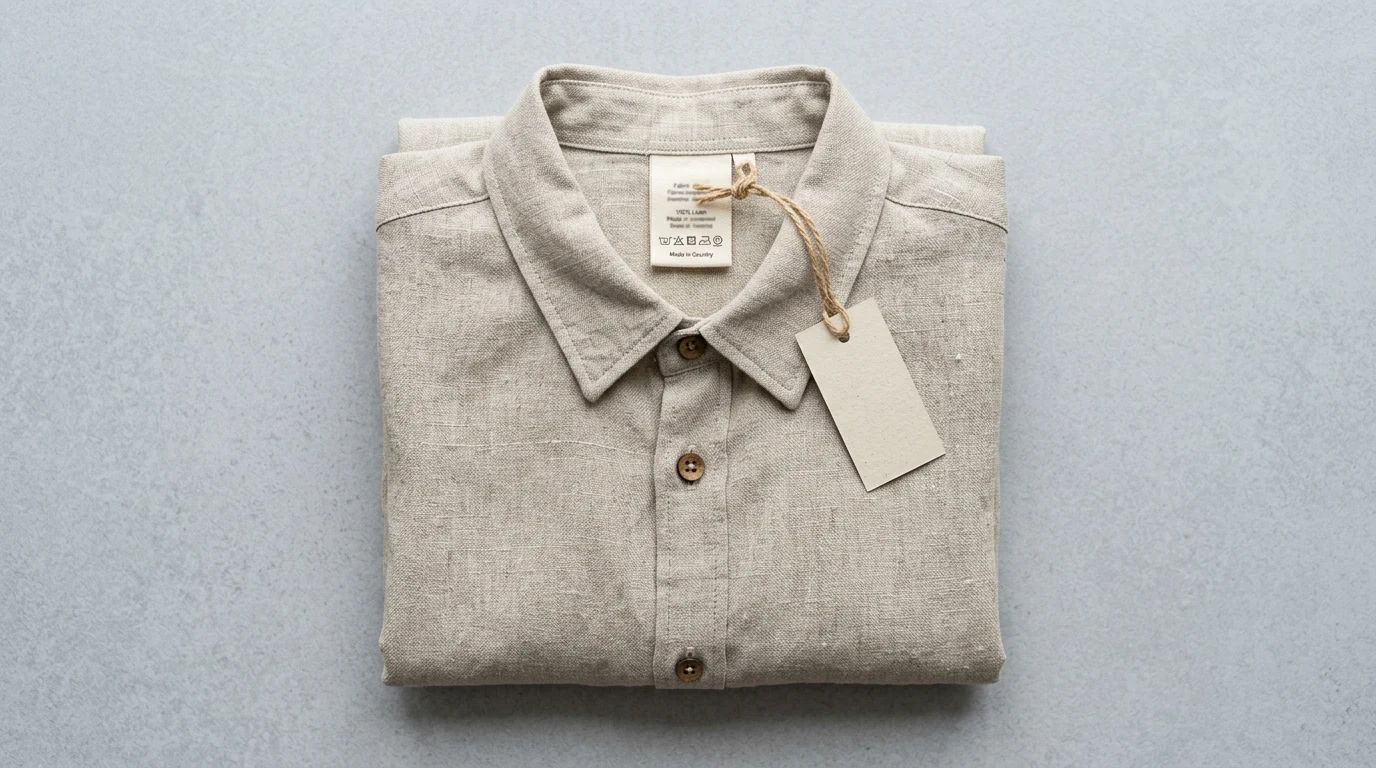
The three lines a garment tag is legally required to carry, what each one actually guarantees, and the checks you have to make with your hands instead.

The splurge-or-save line in basics follows wear and laundering, not price prestige: the argued framework, item by item, with tiers priced at last check.
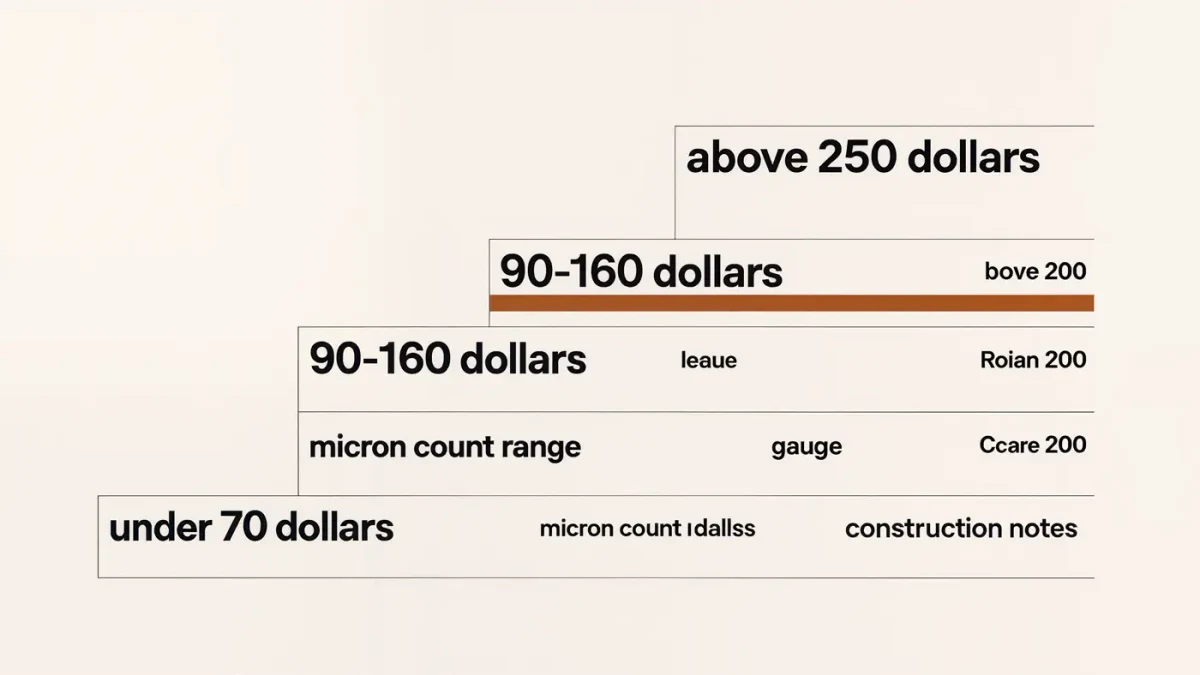
Merino at $90 to $160 is the smartest sweater money in knitwear — here is the reasoning, the five picks that illustrate it, and where the tier fails.

A price-tier breakdown of the white shirt, and the three construction details that decide where your money should stop.