Look at any street photograph from fifteen years ago and run a simple test: the colors often still look wearable, but the cuts announce their decade instantly — the skinny everything of the mid-2010s, the voluminous shoulders of the 1980s, the low-slung waists of the early 2000s. Color cycles slowly; silhouette cycles fast. This column argues the asymmetry has direct consequences for a wardrobe: buy color generously and buy shape conservatively, because the line of a garment is where fashion's clock runs fastest.
The desk's evidence here is the photographic record rather than anyone's closet — archival street photography and collections databases do the dating work without commentary.
Why does the eye date a cut before a color?
Because silhouette is where the industry actually turns its inventory. Fabric and color are relatively stable year to year; the proportions of shoulder, waist, hem, and trouser width are what collections move each season to make last year's coat look finished. The mechanism is deliberate: a silhouette shift makes the existing wardrobe read as dated, which manufactures a reason to buy. Color changes, by contrast, are accents — a Pantone shade arrives, joins the palette, and fades without invalidating anything. The result is measurable in any archive: garments from the same year share a line across different colors, while a color like camel or navy reappears across five decades looking essentially unchanged.
What are the fast-clock zones of a garment?
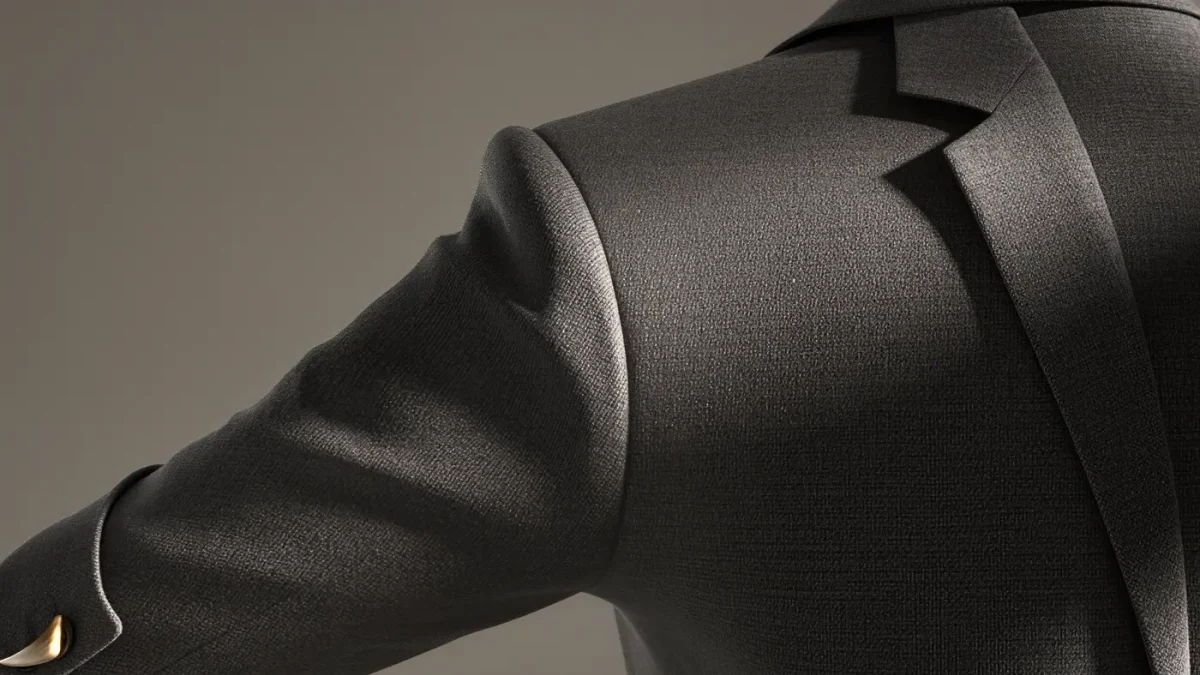
Four, in descending order of volatility. Trouser width — nothing dates a look faster; the skinny-to-wide swing of the last fifteen years is the clearest recent example. Shoulder construction — padded, dropped, raglan, or natural shoulders timestamp a jacket within a season or two. Rise — the waistline's height moves in long, loud waves and carries the whole lower outfit with it. Neckline and collar shapes — collars in particular shrink and swell with the times. Slower zones, safe for long-term money: coat length in its middle ranges, knit proportions, classic shirt cuts, and any garment whose line matches the wearer rather than the season.
How should buying change?
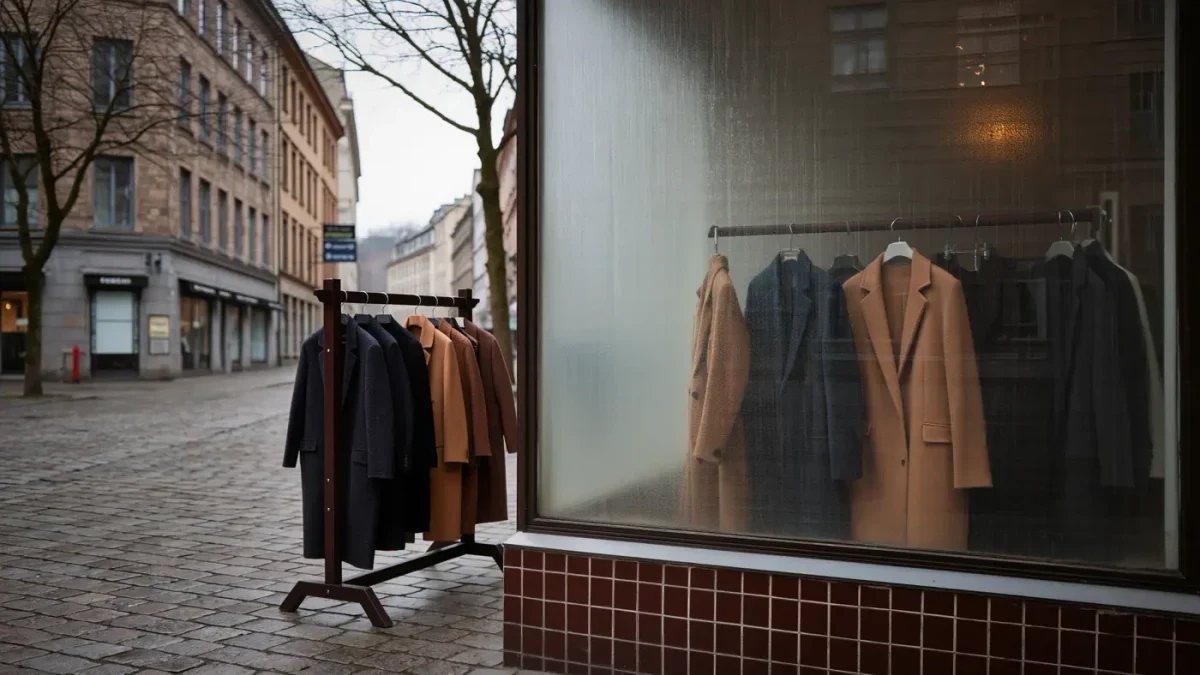
The asymmetry suggests a split budget. Spend lasting money on slow-clock garments in conservative lines and let color do the personality: a navy overcoat in a natural shoulder, straight trousers in a mid-width, a classic rise. Buy the fast-clock items cheaply and currently — if a wide-leg trouser is the silhouette of the moment, enjoy it at a price you would not mind paying for two seasons of relevance. The error the industry hopes for is the inversion: premium prices for trend-shaped lines, which converts maximum money into minimum lifespan. A garment can be expensive and ephemeral at once; price predicts neither quality nor longevity, only cost.
A second consequence concerns resale and hand-me-downs, where the same logic runs in reverse. Conservative-line garments in good cloth hold value and relevance; trend-shaped pieces sell at the moment the trend turns, which is to say at the worst possible time for the seller.
How do you spot a fast-clock line before buying?
Ask one question in the fitting room: could this exact garment, in this exact line, have hung in a shop ten years ago without looking like a costume? If the answer is no — if the shoulder is doing something pointedly current, if the trouser is dramatically wide or razor-thin, if the rise sits at an extreme — the garment belongs on the trend ledger, whatever the price. Conservative lines fail the test in the opposite direction: they are hard to date, which is precisely their value. The check takes five seconds and has saved more wardrobes than any capsule list, because it prices time into the decision at purchase rather than at regret.
Does this mean avoiding fashion entirely?
No — and the column's taste argues against that reading. Silhouettes are fashion's live conversation, and enjoying them is part of dressing as a practice rather than a chore. The argument is about where each kind of money belongs: participation on the fast clock, investment on the slow one. A wardrobe can speak fluently in the present tense and still keep its coat for fifteen years.
The thesis at the close: when a look looks old, check the line before the palette. Color forgives; silhouette timestamps. Buy accordingly, and the wardrobe ages at two speeds — slowly where it matters and quickly where it is fun.
Sources for this piece include open-access costume and fashion collections at the Smithsonian.