In a cold climate, other people see one garment of yours for four to six months a year: the coat. Everything beneath it — the careful tops, the considered trousers — exists for an audience of colleagues and train carriages; the coat exists for the street. This column argues that a wardrobe's first significant investment belongs on its outermost layer, and that a good coat at, say, $350–$600 at last check beats four passable ones at $150 on arithmetic alone before aesthetics enter the case.
As ever, the desk's position, not a personal testimony: we own no coat, quote no fitting-room epiphany. The argument rests on wear counts, cost-per-wear math, and how coats are actually constructed.
Why the coat first, arithmetically?
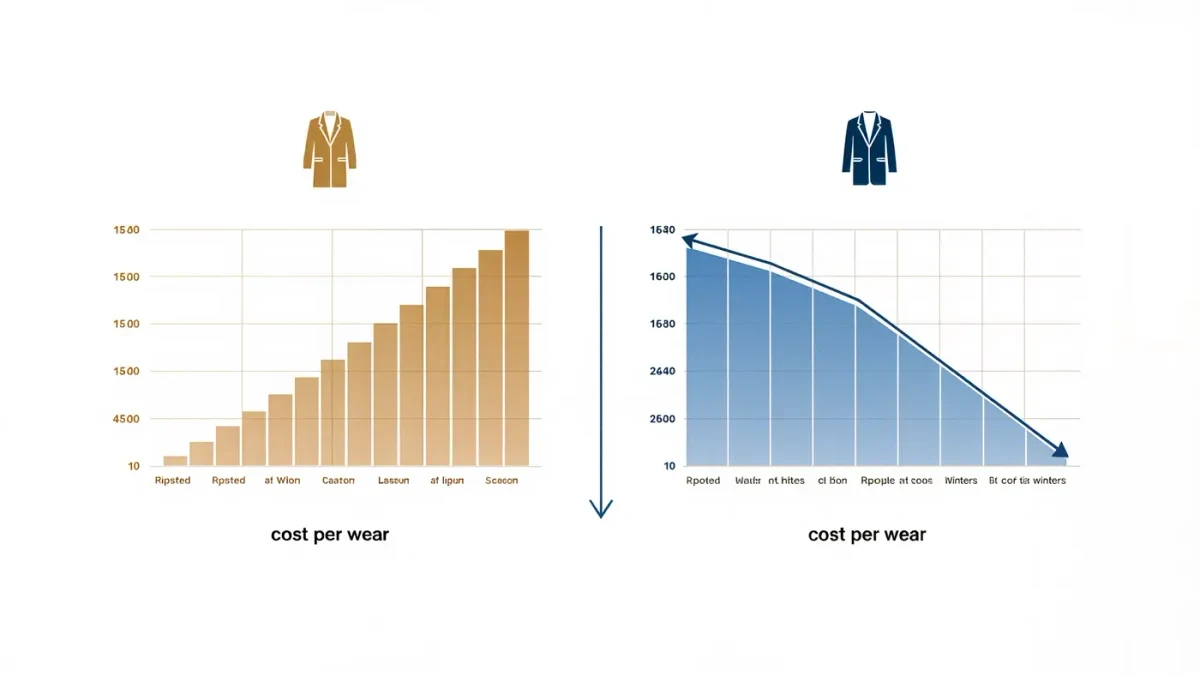
Cost-per-wear favors frequency and visibility. A coat in a cold city is worn daily through winter — 100 to 150 times a season without effort — and it is the only garment every passerby sees. A $500 coat worn 120 days a season for five seasons costs well under $1 per wear, less than the coffee bought on the walk it covers. A $130 coat replaced every two seasons costs more per wear and, worse, spends those wears reading cheap. No other category combines this visibility with this frequency. Shoes come close, and we concede the argument for boots in deep winter; but the coat wins on sheer hours.
What does money actually buy in a coat?
Three things, mostly. Cloth: quality wool outerwear fabric — a dense melton or a worsted with body — costs the maker several times what a brushed poly-blend does, and it shows immediately in how the coat hangs and how it ages. Construction: a canvassed or half-canvassed front, set sleeves rather than dropped-in ones, functioning cuff buttons, and a lining that is sewn, not glued, all add labor hours; labor is where the mid-tier price step goes. Finishing: horn or corozo buttons, bound seams, a collar that stands on its own. None of these are luxury indulgences — they are the difference between a garment that looks better in year three, as good wool does, and one that looks worse, as pilled polyfill does.
What counts as a good coat?
One that passes four tests. The cloth test: press a handful of the fabric; dense wool springs back and feels dry-warm, while a thin, squeaky blend gives itself away. The drape test: on a hanger, the coat should hang forward from the shoulders with a clean line, not slump. The seam test: patterns should match across the front seams, and the lining should hang without pulling. The silhouette test: it must work over your thickest winter layer, tried on with a knit underneath, because a coat bought over a shirt is a coat you will resent by December. A camel or navy single-breasted overcoat, a khaki trench, or a wool-cashmere blend in a straight cut remain the moves with the longest recorded service lives — neither fashionable nor unfashionable in any given year.
Care economics favor the argument too. A good wool coat asks little: brushing, seasonal airing, an occasional professional clean, dry storage on a broad hanger, and a repair culture that actually exists — relined coats and replaced buttons are standard tailor’s work, so a quality coat’s failures are fixable rather than fatal. Cheap outerwear inverts every clause: glued linings cannot be resewn economically, pilled fabric cannot be revived, and the garment is designed, in effect, for disposal. The mid-tier purchase is thus the cheaper repair bill, the smaller waste stream, and the better-looking decade, all on one receipt.
When is the expensive coat the wrong buy?
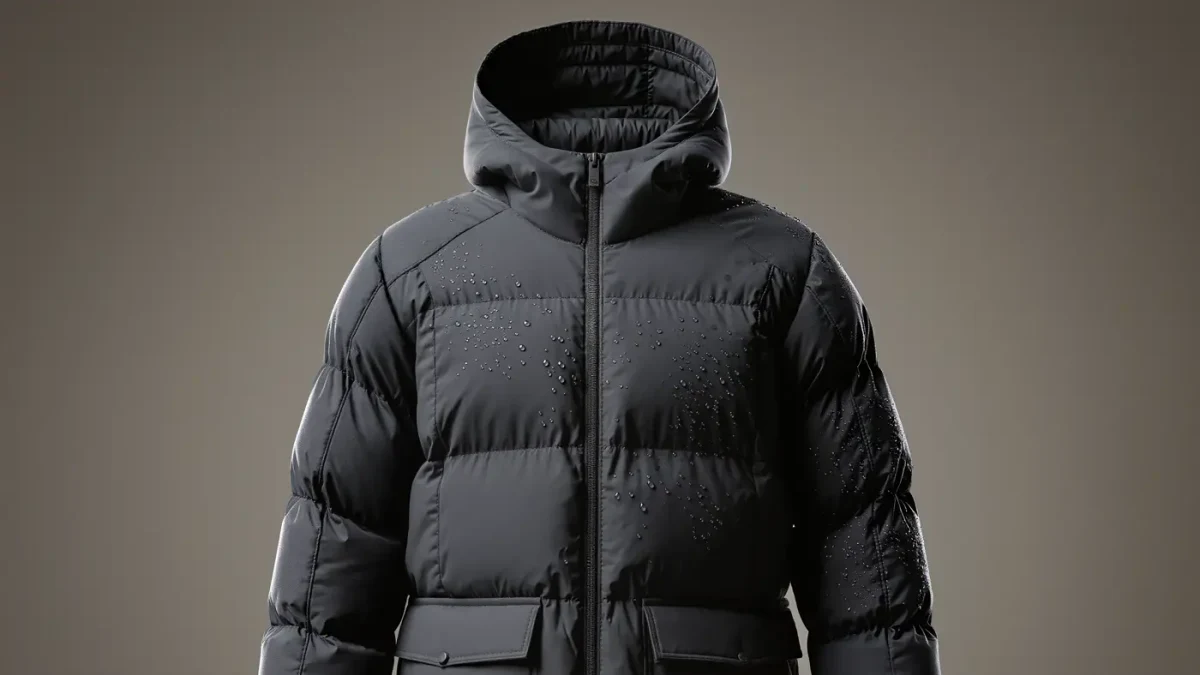
Three honest exceptions. Mild-winter climates where the coat comes out for six weeks a year break the wear-count math — there, spend on shoes instead. Rain-dominant cities need technical waterproofing first and wool second; buy the weather you have. And trend-shaped coats — cropped puffers of the moment, exaggerated collars — convert even good money into a dated garment; the case here is for the shape that photographs identically across decades. Archive street photography makes the point without commentary: a well-cut overcoat from 1965 and one from 2025 differ by a button.
The argument closes where it opened. The coat is the wardrobe's public face, its highest wear-count, and its most forgiving place to concentrate a budget. One good coat, chosen on cloth and cut rather than logo, will outlast everything else you are wearing this winter — including the argument for buying anything else.
Sources for this piece include Reuters business coverage of apparel retail.