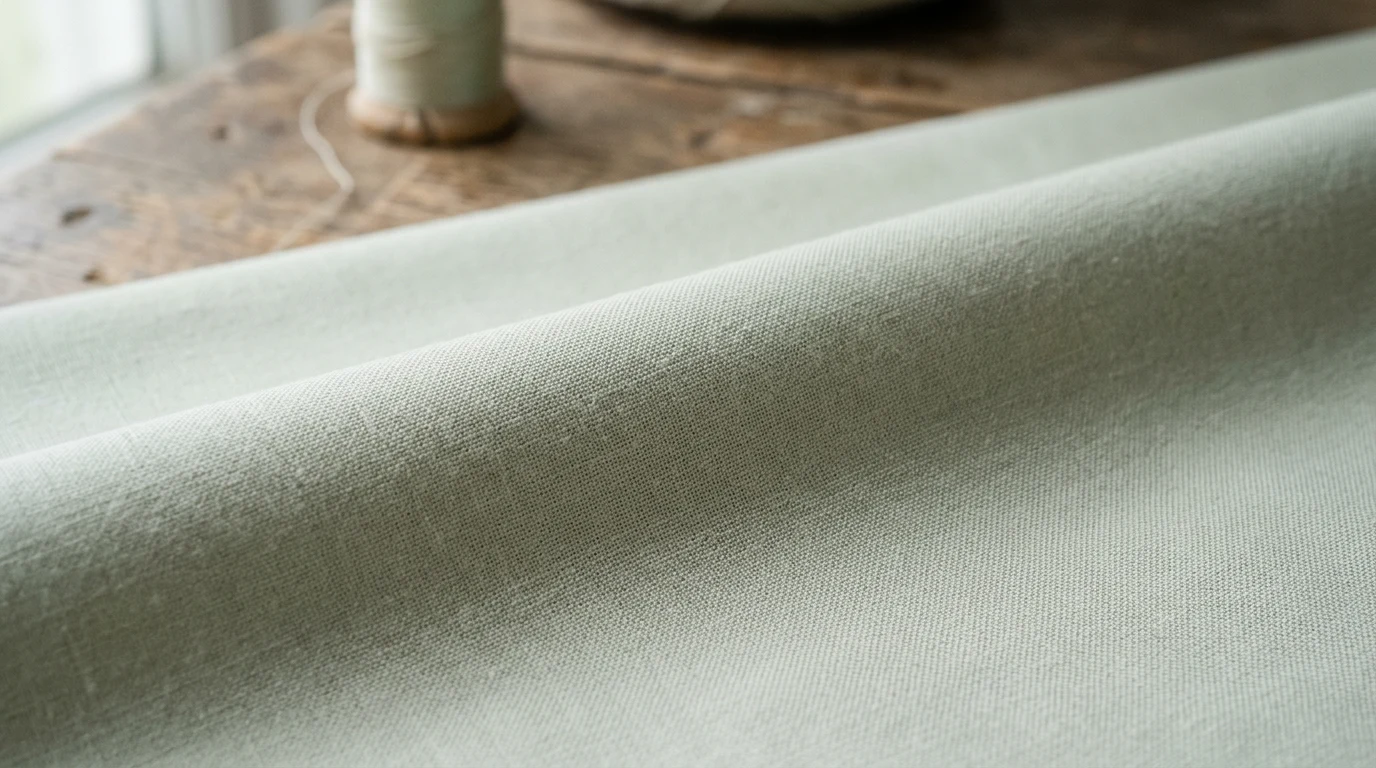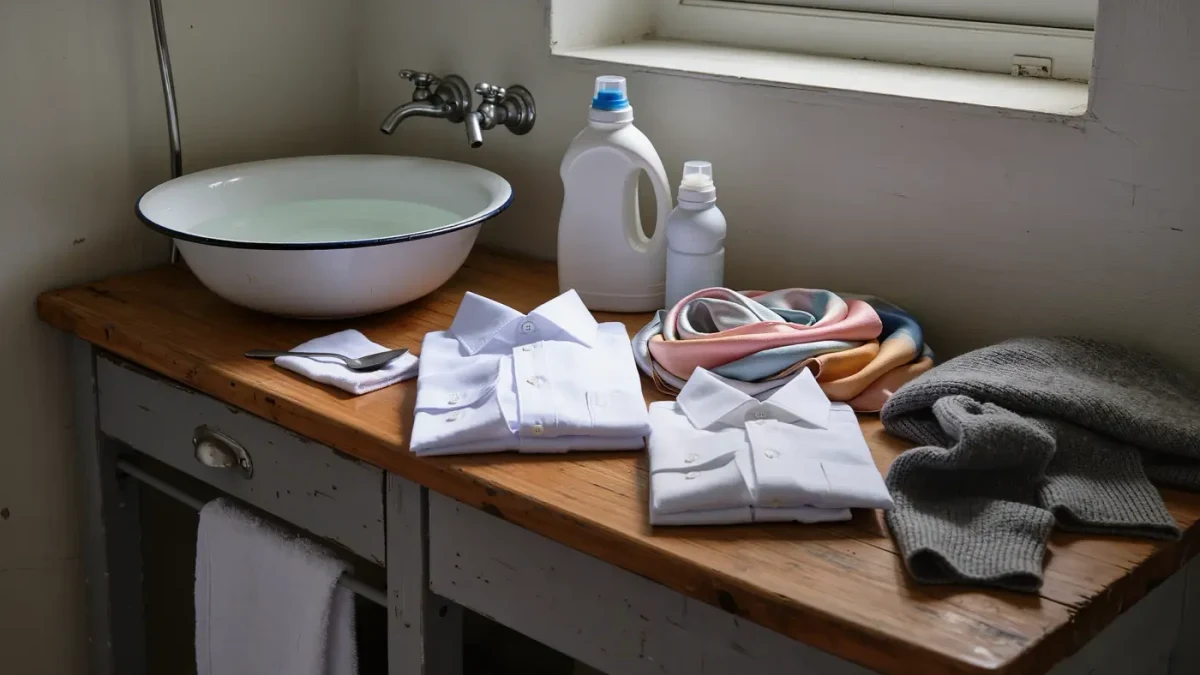
The same stain needs different treatment on different fabrics: on cotton you can work most food stains with cold water and detergent, while on silk and wool the safe toolkit shrinks to blotting, cool water, and mild pH-neutral soap — and on anything structured or lined, the first move is a professional cleaner. Fabric decides the method because fiber decides what survives water, heat, and rubbing. Start with the universal first step below; it is identical for every fabric and prevents most permanent damage.
Zebule publishes information, not cleaning advice; these are widely accepted home practices, and the garment's own care instructions always take precedence — when a stain is beyond doubt or a garment is precious, a professional cleaner is the right answer.
What is the universal first step?
- Blot, never rub, working from the outside edge inward. Rubbing grinds the stain deeper into the weave and spreads its edges; blotting with a clean white cloth lifts it out. Skip any liquid treatment until the loose residue is gone — scrape solids off with a spoon edge first.
- Use cold water for everything except greasy stains. Hot water sets protein stains — blood, egg, sweat — and swells fibers so they grip pigment. Grease is the exception: it does not set with heat the same way, but water alone does nothing for it at any temperature.
- Test any treatment on a hidden seam allowance first. Five minutes of testing prevents the classic loss: stain gone, dye gone with it. Skip nothing here on dyed silk, linen, or anything with contrast stitching.
The first steps change the odds, not the stain: most 'permanent' stains became permanent in the first ten minutes of rubbing and hot water. Time is the fourth variable — the sooner the blot, the smaller the problem.
What is safe on cotton and linen?
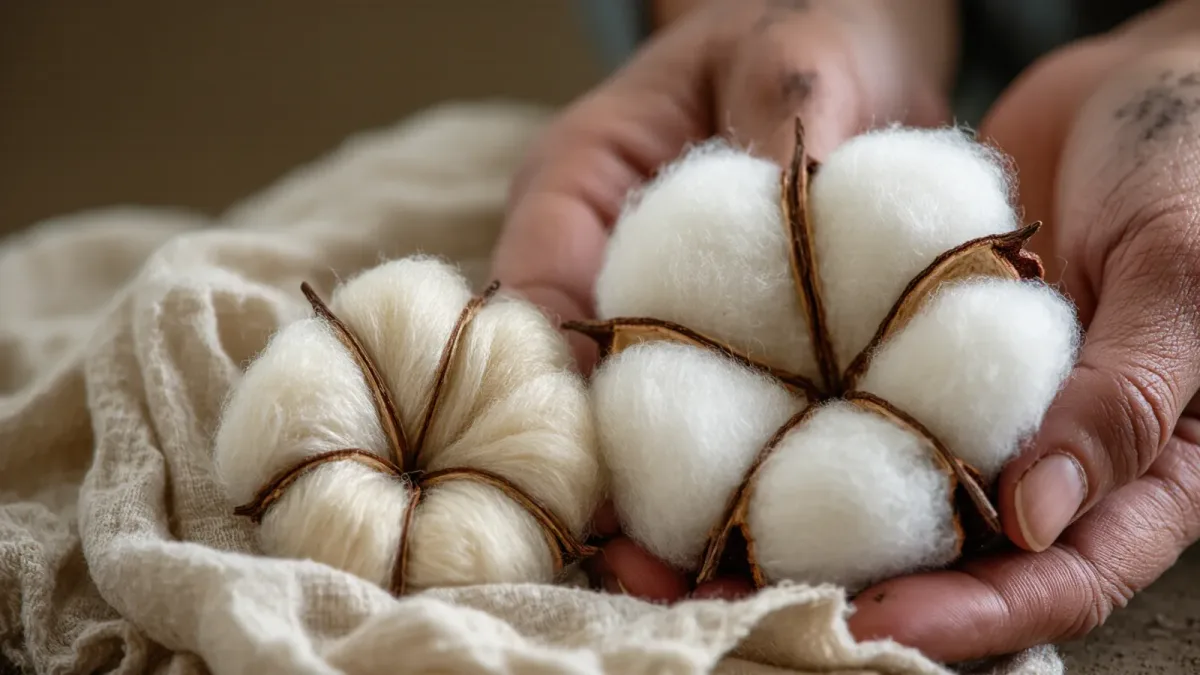
- Pre-soak protein and tannin stains in cold water 30 minutes, then work a drop of liquid detergent into the spot with your fingertips and rinse cold. Coffee, tea, wine, blood, and grass all yield to this sequence on cellulosic fibers, which tolerate water and moderate rubbing well.
- Treat grease on cotton with dish soap directly, worked in and left 15 minutes before a warm wash — cotton is the one fabric where a warm wash is acceptable for grease once the protein stains are out.
- Use chlorine bleach on white cotton only, diluted, and oxygen bleach for colors. Skip chlorine on anything off-white or blended; it weakens cellulosic fibers with repeated use and yellows finishes.
Cotton and linen forgive a wrong move — that tolerance is the luxury of the fabric. Skip nothing on linen's same caveat: aggressive bleach and hot drying will shrink it as surely as any stain would have.
How do you treat silk and wool without ruining them?
- Blot with cold water and a drop of pH-neutral soap or hair shampoo, pressed through the spot, never worked by rubbing. Both fibers are protein — hair, essentially — and alkaline detergents, enzyme cleaners, and heat damage them the way they damage skin.
- Skip enzyme detergents entirely. Enzymes digest protein, and silk and wool are protein; a 'stain remover' that eats blood traces will also eat the fiber's surface and dull the sheen permanently.
- Never twist or wring; press water out in a towel and dry flat, away from heat. Wringing distorts the yarn set, and on wool it starts the felting that shrinks the garment.
- Take wine, ink, and unknown stains on silk to a professional cleaner with the stain identified if possible. Home solvent experiments are where silk scarves go to die; cleaners reverse more with a known stain than you can.
The protein-fiber method changes nothing visible when done right — that is the standard. Skip the whole home program on anything labeled dry-clean-only; the risk budget is spent.
What about synthetics and blends?
- Treat polyester and nylon like easy cotton for water-based stains: cold soak, detergent, rinse. They resist most staining outright, which is their virtue.
- Watch heat on all synthetics: hot water and hot irons can permanently set a stain by melting it into the fiber, and a too-hot iron glazes the surface. Warm, never hot.
- Take oil stains on synthetics seriously: polyester holds grease at the surface and it migrates in the dryer, so treat with dish soap before any wash and check the stain is fully gone before any heat. Skip the dryer on a doubtful stain — heat locks what water loosened.
Blends inherit the stricter rule of their most delicate component: a cotton-silk blend is treated as silk. That single convention prevents most blend disasters.
Which combinations should you never attempt at home?
Four: blood on silk — cold blot only, then professional; ink on wool — solvents spread it and strip dye; anything on structured tailoring, where the lining and interlining absorb independently of the shell; and old set stains on any delicate — months-old stains have bonded to the fiber, and the force needed to shift them destroys the hand before the stain moves. The honest rule: home treatment is for fresh stains on washable fabrics, and everything else is a conversation with a cleaner.
Sources for this piece include US Consumer Product Safety Commission household safety resources.