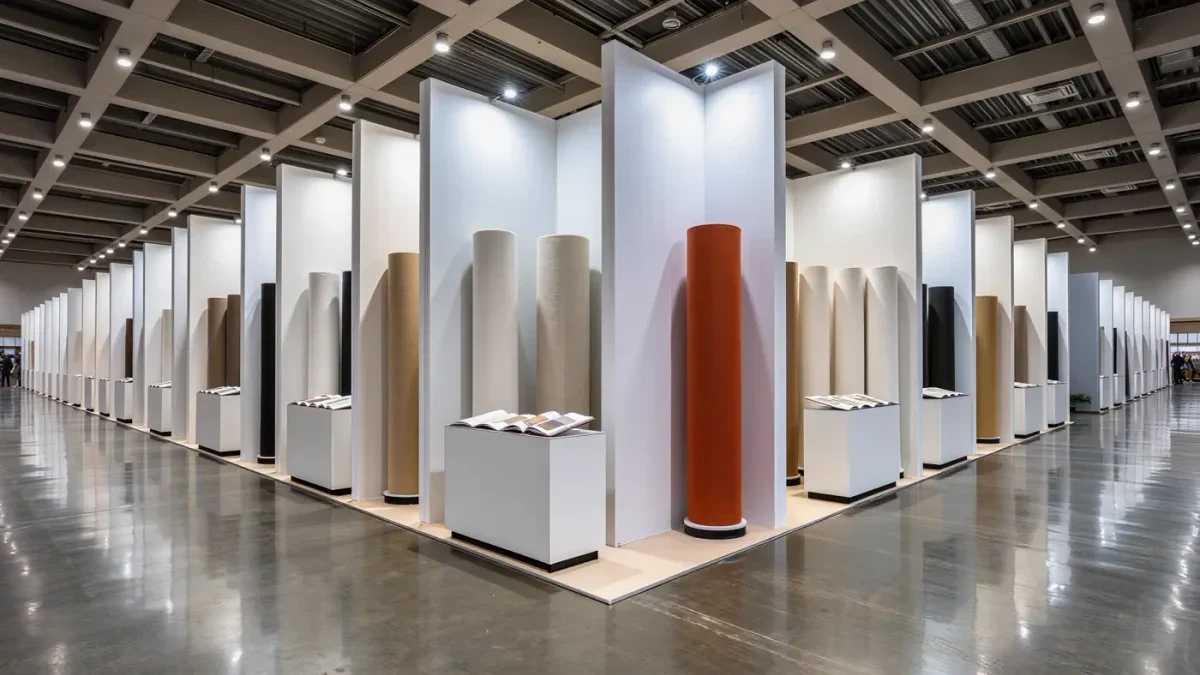
The clothes you will buy in fall 2027 were decided in mid-July, and not in a designer studio. On July 14, 2026, Première Vision New York — the American edition of the Paris-based textile sourcing fair — opened its two-day run at Tribeca 360, per the fair's own calendar, bringing mills, fabric agents and trim suppliers together with American design teams to place orders for collections that will not reach stores for roughly 18 months. It is the least glamorous room in fashion and, price-wise, the most consequential one.
Zebule reports on the machinery of fashion commerce, not sourcing advice: what follows is an analysis of what a fabric fair is and why its decisions surface later as numbers on price tickets.
What actually happens at a fabric fair?
Designers do not conjure clothes from imagination; they assemble them from what mills can supply at an agreed price and minimum quantity. At a sourcing fair like Première Vision, a brand's fabric team handles swatches, negotiates prices per meter, checks certifications, and books capacity in mill calendars. The fair's own materials describe this New York edition as curated around where the American fashion industry lives — an explicit pitch to US brands whose sourcing plans have been upended by two years of tariff uncertainty. What is agreed in these aisles becomes the cost base from which every later markup is calculated: fabric is typically one of the largest single costs in a garment before labor, duties, logistics and margin are added.
Why should a shopper care about swatches in July?
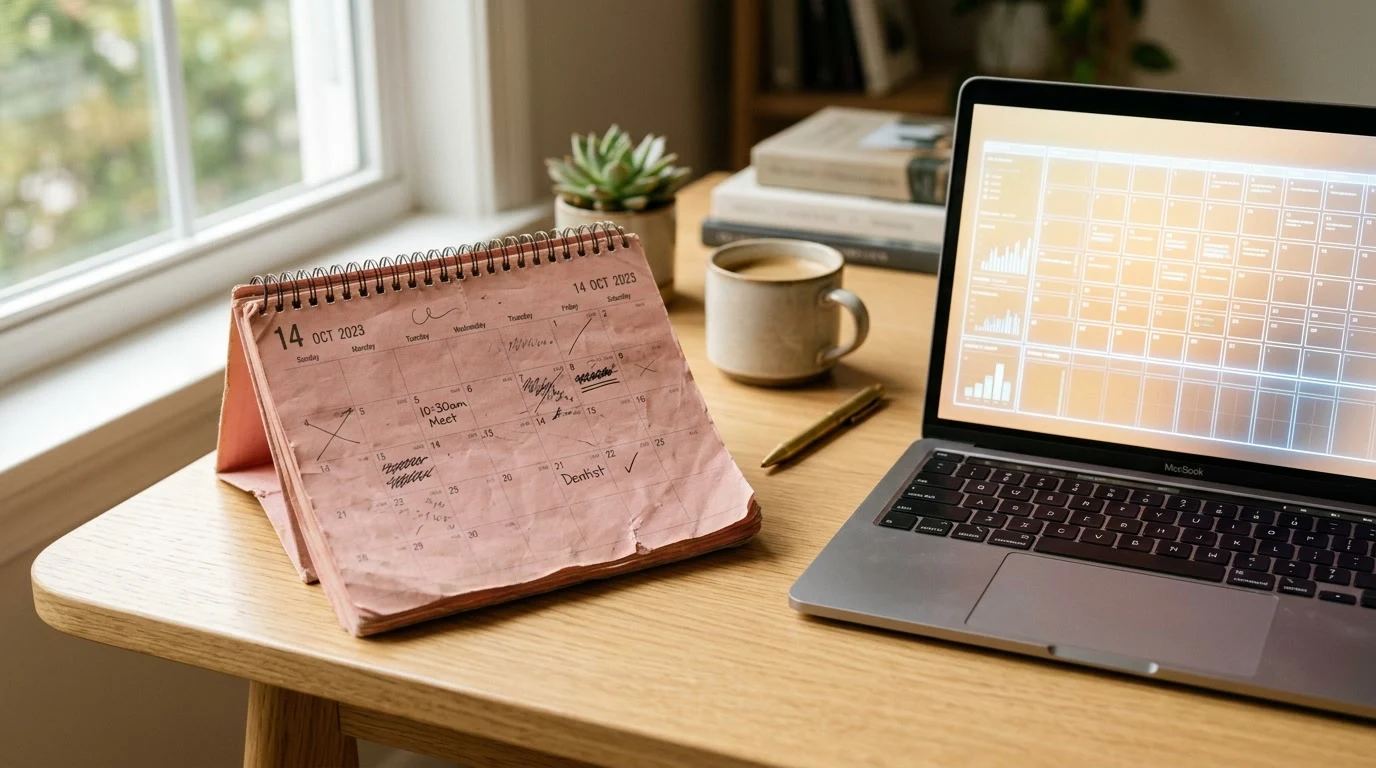
Because of the lag. Fabric ordered in July 2026 becomes sample garments in the autumn, production runs in the winter, and retail stock in 2027. That is why fabric-price movements reach your wardrobe slowly and then all at once: the tariff and energy cost pressures documented across 2025 and 2026 are only now working through the pipeline into the spring 2027 assortments being booked at fairs like this one. It is also where sustainability commitments get real — a brand can promise lower-impact materials in a press release, but the promise is only kept if its buyers sign for certified fabrics at fairs like this, where certified wool, responsible cotton and recycled synthetics sit in the same booths as conventional options at visibly different prices.
What this means for your wallet
Three takeaways. First, the price of quality is set upstream: when a mid-tier brand upgrades the fabric in a $120 shirt, that decision was made at a sourcing table like this one, months before you saw the shirt — which is why fabric composition on the label is the most honest signal of whether a price increase bought you anything. Second, scarcity shows up early: if mills book out capacity for popular certified fabrics, the brands that committed early get the goods, and the ones that waited pay spot prices — a gap that tends to surface as either higher prices or thinner assortments in the following year. Third, US-specific: with American brands actively re-routing supply chains under the 2025-2026 tariff regime, fairs on US soil are where 'nearshored' production gets matched with fabric that still, in many cases, crosses an ocean — duties and all — which keeps structural pressure on prices even when the sewing moves closer to home.
Is a trade show really news?
It is when the calendar says so. The New York edition ran July 14-15, 2026, per the fair's published schedule, landing in the narrow window when American brands lock fabric decisions for the following year's transitional seasons. Coverage of the sourcing circuit matters to shoppers for one reason: it is the earliest public evidence of what materials, and therefore what prices, the market will carry next. If you want to know why a sweater costs what it will cost in fall 2027, the answer was typed into order sheets that week.