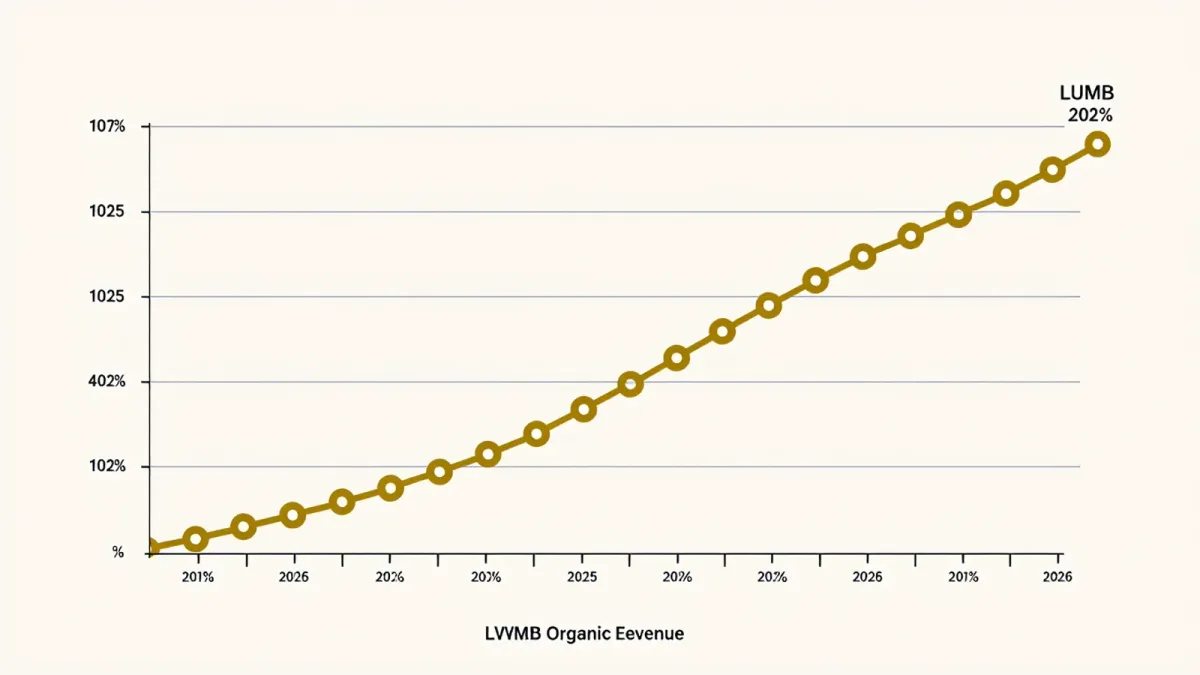
The biggest number in fashion turned positive again: LVMH, the world's largest luxury group and owner of Louis Vuitton and Dior, reported revenue of €38.6 billion for the first half of 2026 — down 3 percent reported but up 2 percent organically — and, more tellingly, its fashion and leather goods division returned to 1 percent organic growth in the second quarter, per the group's results published July 26, 2026 and Reuters coverage dated July 27. That single point ends seven consecutive quarters of organic decline in the division that defines the group's fortunes.
Zebule reports the figures, not investment advice: this is an analysis of published results as of July 27, 2026.
What did the July 26 results actually say?
Per LVMH's release, group revenue reached €38.6 billion in the six months ended June 30, 2026, with organic growth of 2 percent for the half and an acceleration to 3 percent organic in the second quarter, up from 1 percent in the first. Fashion and leather goods — the division housing Louis Vuitton and Dior — decreased 2 percent organically in the first quarter, then returned to 1 percent growth in the second. Reuters attributed the US recovery to American luxury demand offsetting a hit from the Iran war earlier in the year. The division's trendline matters because it is the group's profit engine and, in practice, the sector's sentiment barometer.
Why does one point of growth matter to anyone who doesn't buy Vuitton?
Because LVMH's fashion division is the reference price-setter for the whole aspiration market. When its sales slide, the first response across the industry is caution: inventory discipline, fewer orders, promotional restraint. When its sales recover, the psychological effect is the opposite — brands read the market as able to absorb price. Luxury groups had spent the downcycle leaning on selective price increases rather than discounting, which kept their tickets high even as volumes softened. A demand recovery validates that stance, and mid-market brands calibrate against it: the gap between what entry-level luxury charges and what the $200-400 'affordable' tier dares to charge narrows from the top down.
What this means for your wallet
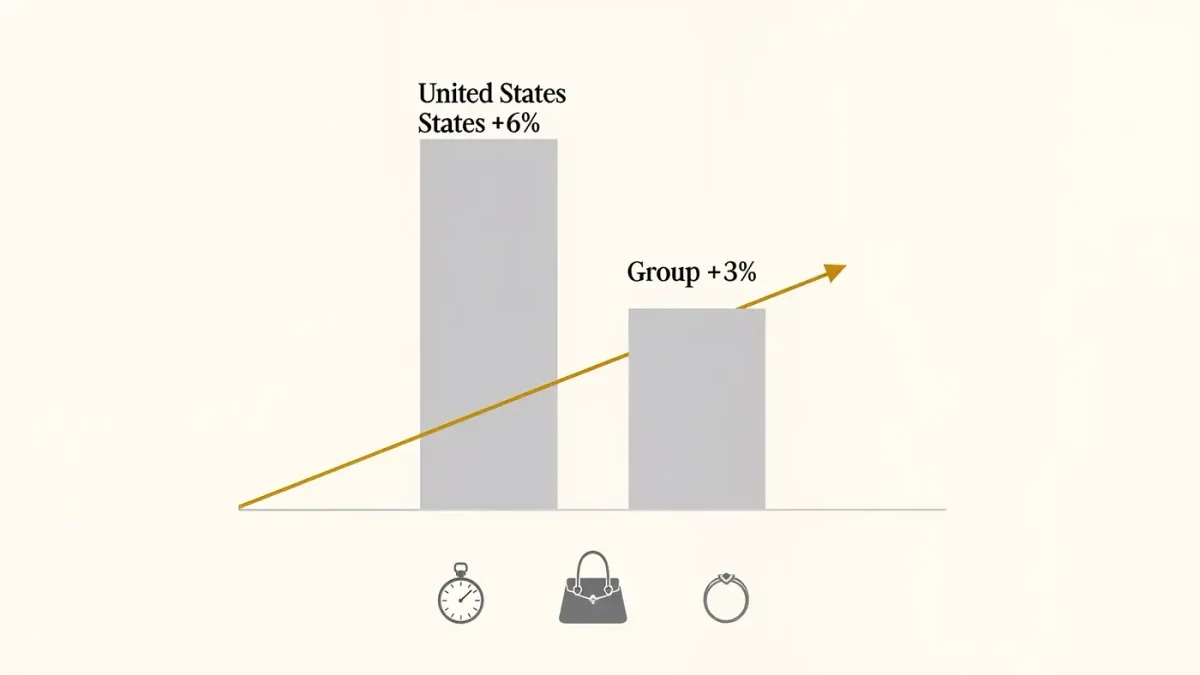
First, do not expect price relief from the recovery: the end of a decline cycle is when premium players protect their re-priced tickets, and LVMH's message of creative leadership and brand equity in the release signals full-price discipline, not deals. Second, the US-specific read is direct — Reuters credited American demand for the improvement, which means US boutiques and department stores will keep receiving top-tier allocations while softer regions see edited assortments; scarcity remains a deliberate inventory strategy. Third, the secondhand and resale market tracks these results closely: when a house's new-season demand strengthens, resale values for its classic pieces firm up, and when it weakens they slide — so the earnings calendar is, indirectly, a resale-price calendar for anyone shopping pre-owned.
Is the recovery solid?
Fragile, per Reuters' own characterization. One point of divisional growth after seven negative quarters is a direction, not a trend, and it rests partly on the US consumer staying willing to spend on European luxury at post-tariff prices. The third-quarter revenue release, due in October 2026, is the next test. For shoppers, the practical read is that the 2024-2025 window of easy access — walk in, find the bag, no waitlist anxiety — is closing as demand returns to the strongest houses.