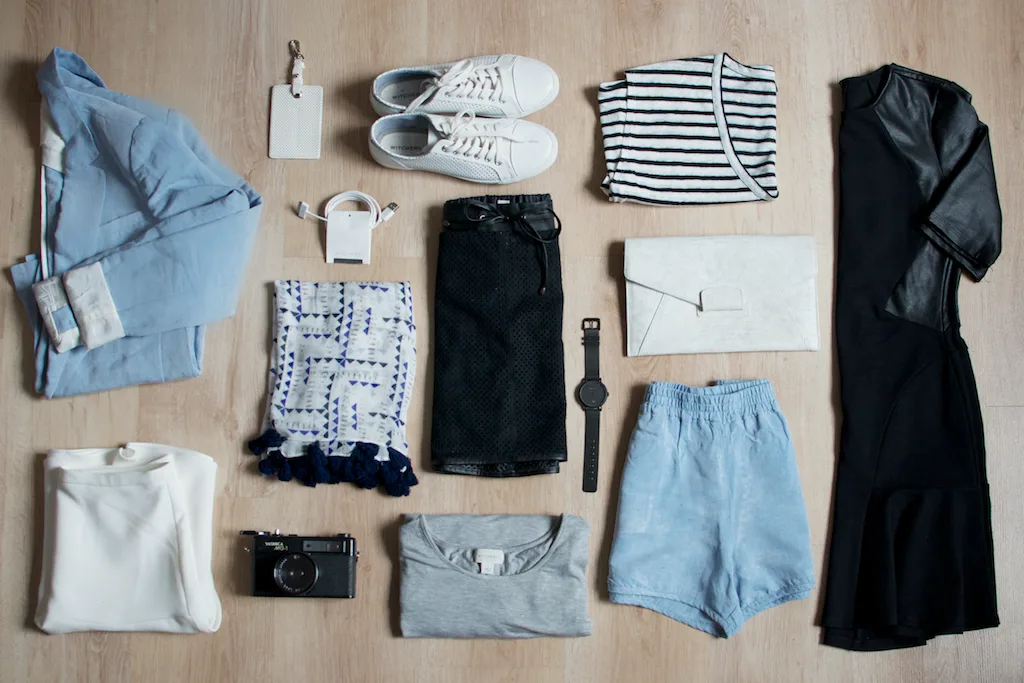
The splurge-or-save line in basics is not about prestige; it follows two variables — how often you wear the item and how hard you launder it — and once you apply them honestly, the list is shorter than the internet suggests. This guide argues the framework item by item, with market example prices verified at last check, March 2026, so the wardrobe budget lands where quality is actually measurable. If you buy through links in our shopping guides, Zebule may earn a commission at no cost to you.
What actually decides splurge versus save?
Two tests. First, wear frequency: an item worn weekly compounds cost-per-wear arguments in favor of quality. Second, laundering exposure: items washed after every wearing — undershirts, t-shirts, socks — age at the mercy of the drum, and premium versions of them die nearly as fast as cheap ones. The matrix: wear it weekly and it survives washing? Splurge. Wash it to death or wear it rarely? Save. Everything else is branding talking to your vanity about drawer contents nobody sees.
Splurge: the five worth real money
- The white shirt, around $120 at last check. Weekly rotation, gentle laundering, and construction you can verify in-store (collar fusing, single-needle seams). The classic splurge, and it holds.
- Dark raw or rope-dyed jeans, around $150 at last check. Worn weekly, washed rarely — the laundering test is why the premium survives. Deep indigo fades in character instead of graying out.
- Shoes worn three-plus days a week, around $180 at last check. Stitched construction resoleable two or three times beats cemented pairs on cost per year without exception. Feet and posture are also involved, which ends the argument.
- The winter coat, around $300 at last check. Worn daily for months, laundered once a season. Wool or real gabardine pays for itself across five-plus winters.
- The leather belt, around $90 at last check. Full grain with a solid buckle, worn most days, lasts a decade; a bonded-leather belt cracks at the hole line within two years.
Save: the five that punish overspending
- Basic t-shirts, around $15–$25 each at last check. Washed after every wear; even premium cotton thins at the collar within a couple of years. Buy decent weight, buy three, replace as needed — the premium version dies in the same drum.
- Undershirts and underwear. Same laundering fate, zero visibility. Comfort is a fit question, not a price question, at this layer.
- White socks. The drum eats them; buy mid-tier multipacks and accept the lifecycle.
- Trend silhouettes of any basic. The barrel-leg jean and the cropped cardigan of this season are next season's donations. Trend exposure is exactly where cheap is rational.
- Exercise-adjacent cottons. Anything meeting regular sweat and hot washes ages on schedule regardless of price.
The middle cases, argued honestly
Knitwear splits the vote: a merino crew at $110 earns its keep if your winters are long and your rotation honest, while cashmere is a fine-gauge, next-to-skin purchase only — buy it for layering, never for desk-chair elbows. White sneakers sit in the middle too: at $70–$120 you get leather that cleans up instead of foam that yellows, but past that you are paying for design houses; sneakers are the one basic where the ceiling arrives early because cleaning, not construction, decides their fate.
And the framework is honest about its own exceptions: bodies differ, and a person who genuinely cannot wear polyester next to skin should move t-shirts into the splurge column without apology. The tests above predict lifespans, not obligations — apply them to your own drawer, not to an idealized one.
Exceptions noted, the matrix still sorts most drawers in under an hour.
How do you run the framework on a fixed budget?
- List what you actually wore last week — the calendar, not the wishlist, sets priorities.
- Tag each item laundered-daily or laundered-rarely.
- Splurge queue: weekly wear plus gentle laundering, in that order of wear frequency.
- Save queue: everything washed to death, plus anything trend-shaped.
- Upgrade one splurge per season; the queue rebuilds itself.
What about secondhand for the splurge list?
The splurge column is where secondhand earns its place, and the framework holds with one adjustment: repairability makes pre-owned safe. A stitched pair of leather shoes with worn soles is a $100 resole away from a $200 shoe; a wool overcoat from a decade ago is cut from a silhouette that is correct again, and its previous wear is evidence rather than damage. The laundering column, by contrast, is where secondhand fails — you cannot verify how many drum cycles a t-shirt has absorbed, and elastic already stressed does not recover in a new drawer. The useful rule: buy used whatever the framework says to splurge on, buy new whatever it says to save on, and inspect the used pieces with the same tests this guide already gave you — sole stitching, lining, belt bend, collar pinch. One caution applies to the jeans slot specifically: raw denim with existing fade patterns carries the previous owner's creases permanently, so buy used denim dark and unworn or not at all. Run this way, the splurge column's real prices drop by a third to a half, which funds the queue faster than any sale cycle ever will.
The thesis: splurge where wear compounds and laundering forgives, save where the drum rules or the trend expires — the framework spends less than the myth and ends up better dressed.
Sources for this piece include Federal Trade Commission consumer guidance.