Merino in the $90–$160 band is the most defensible sweater purchase in knitwear: long enough fiber to resist pilling, fine enough to wear against skin, priced below the cashmere premium. This edit is not a list — it is an argument about what the mid tier should deliver, illustrated by five picks as market examples, with prices verified against typical listings at last check, February 2026. If you buy through links in our shopping guides, Zebule may earn a commission at no cost to you.
Why merino, and why the middle?
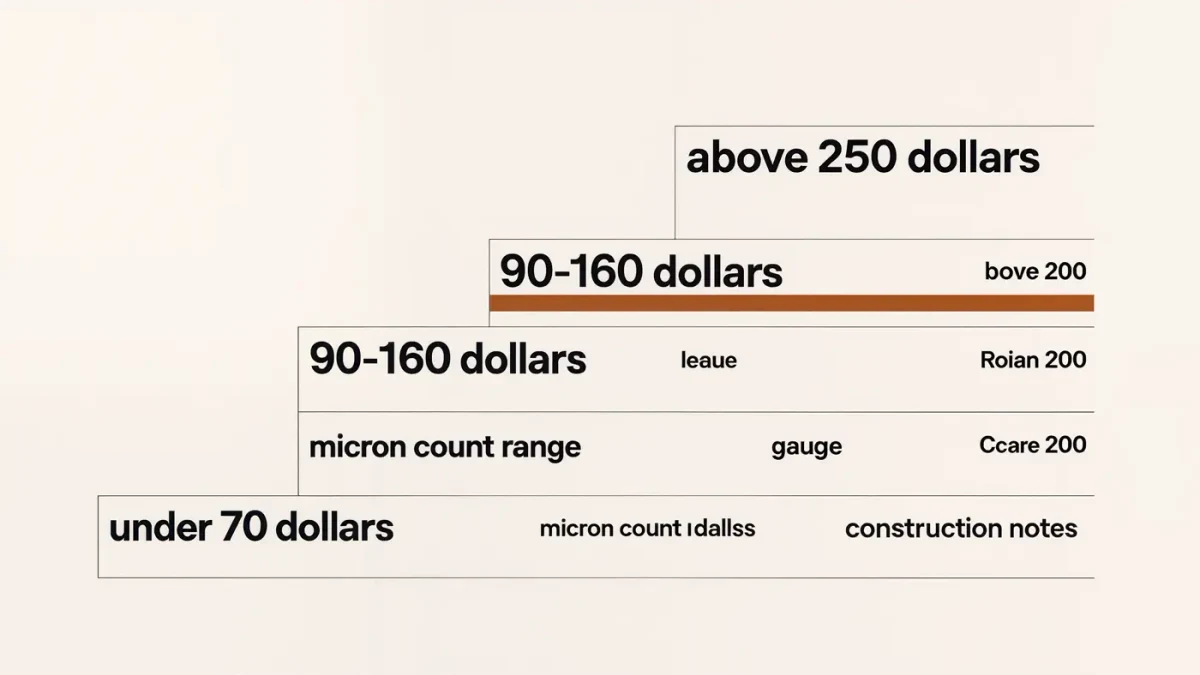
Merino wool is graded by fiber fineness in microns; true merino sits well below the coarse wools used in outerwear, which is why it wears without itch where a generic lambswool sweater cannot. The low tier, under $70 at last check, usually blends merino with nylon or acrylic for machine-washability — soft on day one, pilled by spring. The high tier, above $250, is buying micron counts and brand quiet. The middle is where the fiber does the talking.
What should a $90 merino sweater deliver?
Three non-negotiables. First, a gauge fine enough to hold a hemline — a mid-gauge knit that springs back when you stretch the cuff and it returns flat. Second, fully fashioned construction: the panels knit to shape rather than cut from knit cloth, visible as neat selvage edges inside the side seams; cut-and-sew knits unravel at the seams. Third, honest labeling — garments sold in the United States fall under the Wool Products Labeling Act, which the Federal Trade Commission enforces, so a sweater that merely feels woolly must still say what it is.
The edit: five argued picks
- The crewneck workhorse, around $95 at last check. The pick that proves the tier: mid-weight merino, fully fashioned, in a navy or oatmeal that replaces three trend purchases. Choose the size for the shoulder seam to sit at the shoulder — merino stretches down, not out.
- The fine-gauge turtleneck, around $110 at last check. The layering argument. A fine-gauge turtleneck under tailoring is the mid tier's best case: it does things a cashmere piece does at double the price with nearly the same hand. Buy slim; bulk is the enemy here.
- The shaker-stitch crew, around $140 at last check. The texture pick. A heavier shaker-knit merino reads like a sweater with intent and wears two seasons a year. The stitch structure hides the first season of wear better than flat knits — the honest choice if you are hard on knitwear.
- The half-zip, around $150 at last check. The utility argument, made properly: a chunky-zip half-zip in merino pairs with everything from flannel to a topcoat. Skip versions with a plastic zipper that buckles when closed — the zipper is where cheap half-zips confess.
- The merino cardigan, around $160 at last check. The most contested pick, and the reason it earns its slot: a boxy button-front cardigan in mid-weight merino functions as a knit jacket nine months a year, which no crewneck can claim. Cost-per-wear wins arguments.
Where does the mid tier fail?
In the elbows and at the moths. Merino is not invulnerable: friction zones pill regardless of price, and a moth sees a $90 sweater and a $300 one as the same meal. Budget for a cashmere comb and a closed storage drawer from day one. And know the machine-wash trap: "superwash" merino tolerates a gentle cycle, but untreated merino at this tier does not — hand-wash cool and dry flat, always.
How do you test a merino sweater in thirty seconds?
- Stretch the cuff between your thumbs; it should snap back, not cloud.
- Rub the cuff briskly against itself for five seconds — some fiber bloom is normal, immediate fuzzing is not.
- Open a side seam: look for the neat selvage edge of a fully fashioned knit.
- Read the label: 100% merino, or a stated blend with a reason.
- Hold it to light: even knit density, no thin patches.
Which colors should the merino budget buy first?
The tier's quiet advantage is that it makes restraint affordable, so spend it on the colors that do the outfitting. First: oatmeal or light gray — the piece that carries navy trousers, denim, and half the winter palette while reading softer than black against most skin tones. Second: navy, the crewneck default that replaces three trend purchases and never reads as a decision. Third, and only third: one saturated accent — a rust, forest, or burgundy knit is how a wardrobe of neutrals stays awake, and the mid-tier price is exactly what makes owning an accent sweater reasonable rather than precious. Black merino, counterintuitively, is the color to defer: black flattens knit texture, shows every fleck of lint, and duplicates the job your navy already does. And resist the patterned mid-tier pieces — fair isle and intarsia at this price point are where brands spend the budget that honest construction needs, and a pattern dates faster than any color on this list. Three colors, one per season of saving, and the sweater drawer is functionally complete for under $400 spread over a year — less than a single top-tier cashmere accent piece, with more wearing days between them.
The thesis underneath the edit: at $90–$160 you are paying for fiber and construction, not marketing — and that is exactly the price band where a sweater's quality is verifiable with your own hands before you reach the register.