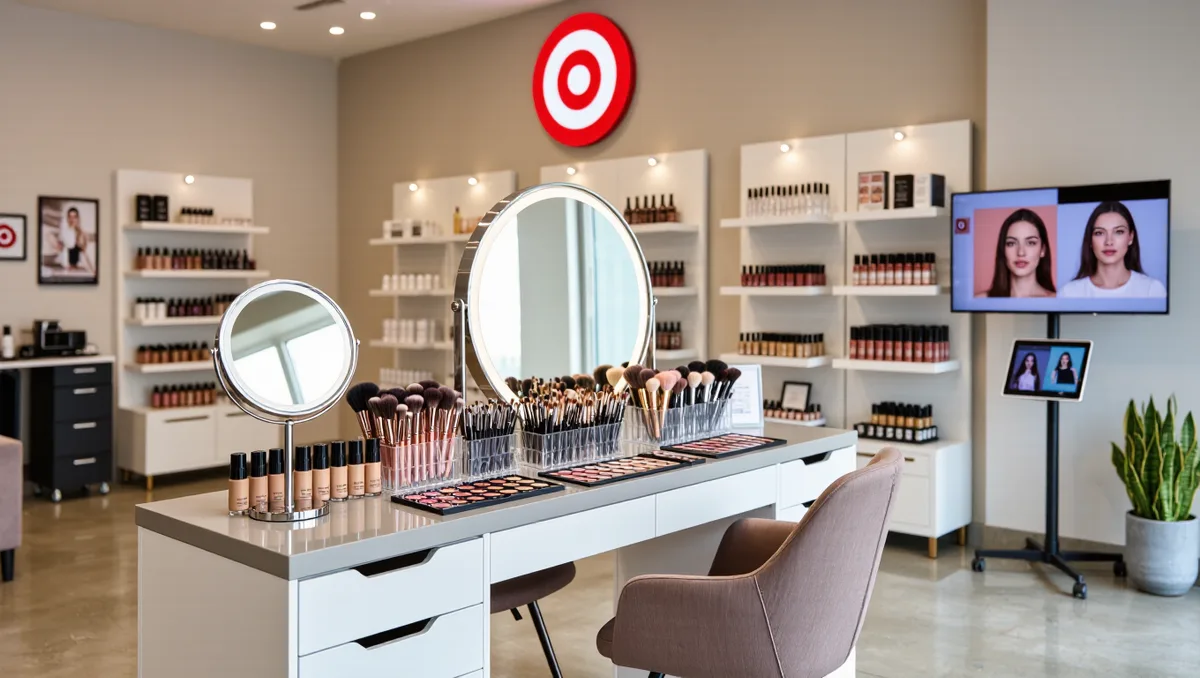
Target has begun rolling out Target Beauty Studio, its new discovery-led beauty destination, into more than 600 stores and onto Target.com. The format carries a curated assortment of more than 1,600 products from 90 prestige, emerging and global brands — and per Target's own announcement, most of those brands are new to the retailer. That last detail is the story: a mass retailer using shelf space to introduce names its shoppers have never seen.
One of those names is Glamazon Beauty, founded by celebrity makeup artist and entrepreneur Kim Baker. The brand's pitch is a system called Makeup's First Roadmap, which maps a shopper's complexion profile to matching foundation, concealer and powder shades before she ever picks up a tester. Our beauty news coverage follows retail moves like this one closely, because who gets shelf space shapes what ends up in your bathroom cabinet.
The numbers frame the scale of the bet. Target says the experience includes dedicated Beauty Advisors and rotating product features, alongside the 1,600-product assortment. A brand joining that lineup is not getting a shelf endcap; it is getting a spot in a format the retailer is describing as its discovery engine for beauty.
What is the Roadmap, and why does it matter to shoppers?
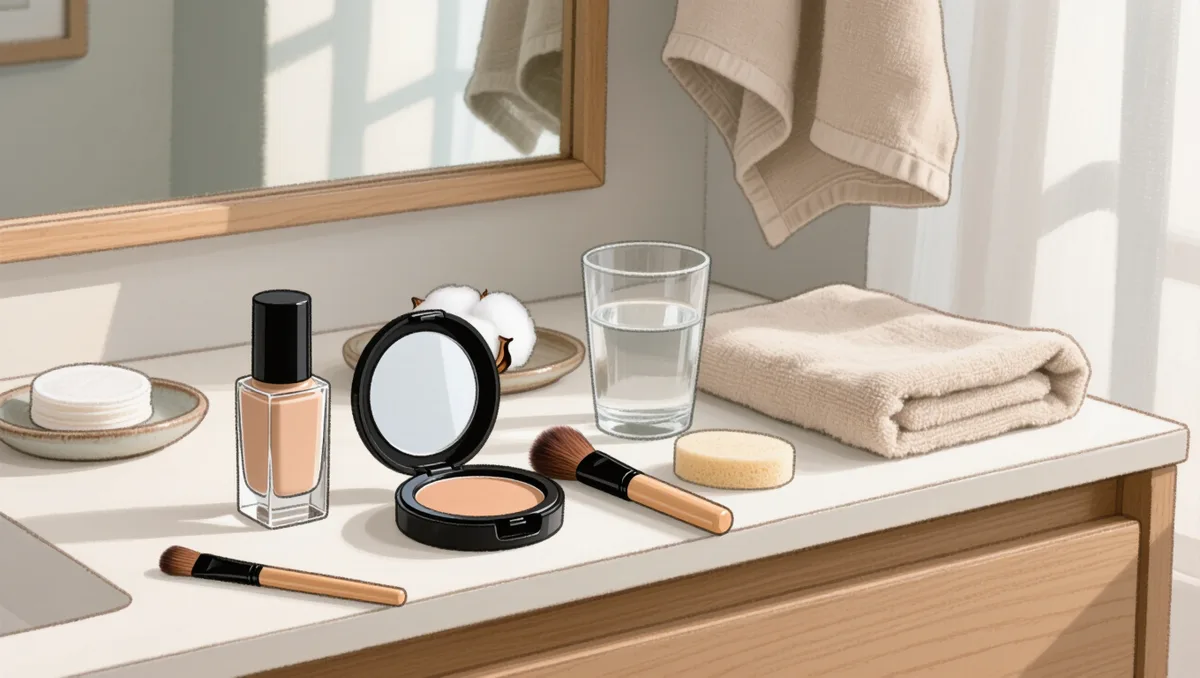
The Roadmap is Glamazon's answer to the most common failure in makeup shopping: standing in front of dozens of foundation shades with no idea which is yours. According to Target's interview with Baker, the system helps guests identify the complexion profile that best matches their skin, then maps out the complementary foundation, concealer and powder shades for them. Lip and other color products are then chosen by personality and style, since the complexion base is already settled.
That sequencing is the whole idea. Baker's framing in the interview is that the Roadmap takes "the confusion out of shopping for makeup," and that it means "less guesswork and more confidence." For a retailer building a discovery-led format, a brand that arrives with its own decision system is a natural fit — it gives the Beauty Advisors something structured to walk a shopper through.
Why shade matching keeps tripping people up
Baker founded the brand after years of watching women struggle to find products that worked for their skin tone and concerns. In the Target interview she names the groups she was especially focused on: women with rosacea, and those who could not easily find their perfect foundation match. Her stated goal for the products is that they "matched real skin tones and looked like skin, not makeup."
It is worth noting what this is and is not. It is the founder's own account of her brand's purpose, published by the retailer carrying the brand. It is not independent testing of the products, and we have not tested them either. What the sourcing supports is the design of the system and the story behind it — not a verdict on how well it performs on your face.
How an independent brand gets onto a mass-retail shelf
The path in, per Baker's account, was unusually direct. She met members of the Target beauty team at an industry event, made sure they experienced the products firsthand, and then moved through additional conversations and presentations, including sharing the Roadmap concept. "Things moved quickly," she says in the interview.
The harder part, she says, came before that. Baker names national awareness as one of the biggest challenges of building an independent brand without the resources of larger beauty companies. Her account credits word of mouth: customers discovering the brand because someone they trust recommended it. That is a common pattern for emerging brands, and it explains why a 600-store rollout matters to one — it substitutes retail reach for the marketing budget it does not have.
Timing: a 2017 start, a 2021 reset, and a 2026 shelf
The timeline Baker gives is worth reading closely. She started working on the brand in 2017, then accelerated in 2021, using the pandemic to reassess, refine the brand, and update the packaging. The products' quality, she says, never changed; the reset was about making every part of the brand reflect the experience she envisioned. Nine years from first work to a national retail rollout is a long arc, and it is a useful corrective to the idea that shelf placement happens fast.
There is also a personal coda. Baker says that more than 20 years ago she walked through a Target beauty aisle, told her mother she wanted her own brand on those shelves one day, and describes seeing Glamazon there now as "a full-circle moment and a dream realized." Sentiment aside, the structural point stands: the brand is now sold in stores, on Target.com and in the Target app. Readers following this should also see Clothing beat appliances on Prime Day 2026 — the deal event is now a fashion event.
What this signals for how beauty gets sold
Strip the founder interview down and two things remain. First, Target is committing store count — more than 600 locations — to a format built around curation and advisors rather than sheer assortment. Second, the assortment is deliberately weighted toward brands most shoppers have not met: 90 brands, more than 1,600 products, most new to Target.
For shoppers, the practical takeaway is that the discovery experience is designed to be guided. Whether the Roadmap's profile-matching works for your skin is something only you can test, and Baker's own advice in the interview is that makeup, like skincare, should be personalized. The evidence here establishes what Target is building and what one brand is bringing to it. How the format performs across 600 stores is the part we will be watching. We covered a connected angle in Saks Global just left bankruptcy with 15 stores — here is what that changes for your luxury budget.