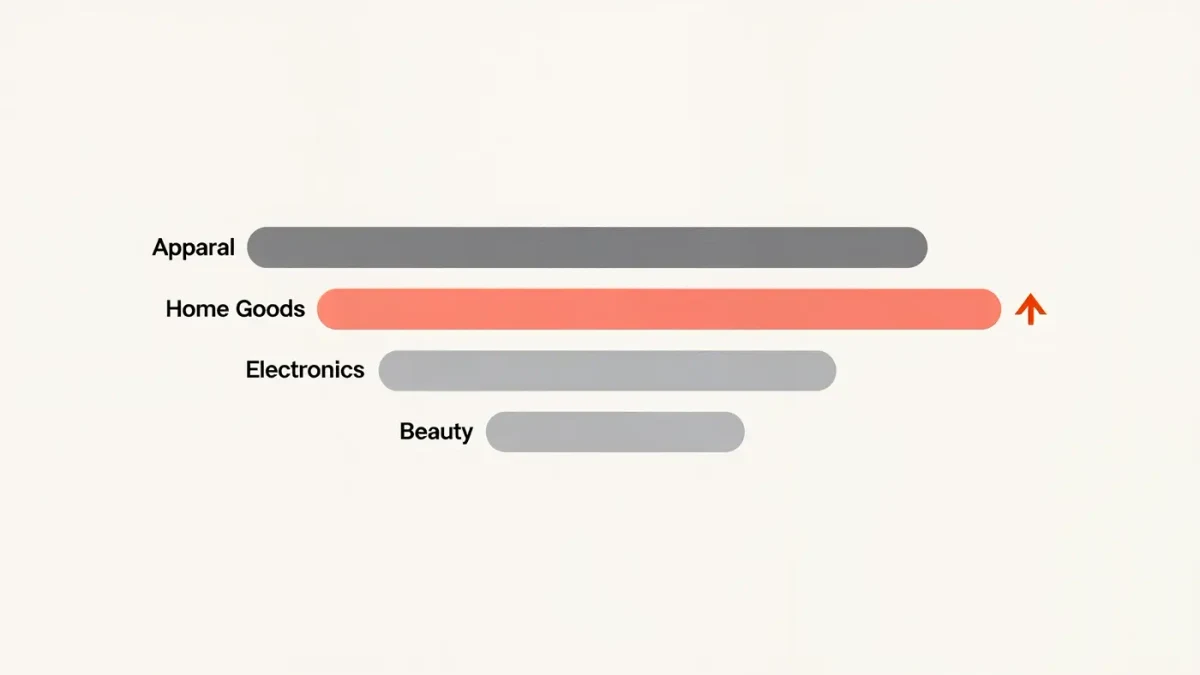
Ulta Beauty raised its earnings outlook in the first week of June 2026, per Global Cosmetics News in its week-23 review, crediting comparable sales growth and new store openings, matching Reuters' report. One retailer's guidance upgrade is a small document, but it lands on a pile of evidence: while discretionary spending across apparel and home has wobbled, beauty keeps compounding. For the practiced shopper, the interesting question is not whether beauty is 'resilient' — it is what resilience does to prices, shelves, and the tricks retailers use when times are uncertain.
Why does beauty hold up when other spending pulls back?
The industry's favorite explanation is the lipstick effect — small luxuries substituting for large ones — and it is half true. The other half is structural: skincare and cosmetics have become maintenance, not indulgence, for a cohort that grew up with routines. You can defer a sofa; you do not defer your skin barrier. Retail data like Ulta's early-June 2026 upgrade reflects both forces at once: traffic sustained by habit, average basket lifted by fragrance and premium skincare trading moments.
What does a strong outlook mean for prices at the counter?
Counterintuitively, strength funds generosity. A retailer confident in demand invests in traffic drivers — gift-with-purchase events, loyalty multipliers, exclusive launches — because market share is contested. Ulta's model, mixing mass and prestige under one roof with a points program, is built to harvest exactly this moment: shoppers consolidate trips, points accrue, and the exclusive brand roster does the differentiating. When outlooks are raised, the deals calendar gets more interesting, not less. Watch the loyalty event windows in the second half of the year; that is where confidence converts to offers.
Does this mean the mass-prestige divide is closing?
No — it is being restructured. The same week's retail coverage showed prestige brands courting mass retailers and mass brands premiumizing lines, which means the old signal of 'expensive equals better' degrades further. The shelf of 2026 mixes $12 serums with $90 ones in the same aisle, and the guidance upgrade suggests shoppers are buying both, often in one transaction. The skill worth keeping: evaluate by formulation and format — concentration, packaging that protects actives, price per usable milliliter — not by the door the brand entered through.
How should a reader use retailer confidence?
Treat guidance upgrades as a calendar signal. When a retailer of this scale raises its outlook, marketing budgets loosen in predictable places: loyalty events, exclusive launches, gift-with-purchase thresholds. The shopper's version of reading a filing is reading the promo calendar — consolidating your quarterly purchases inside the windows where points multiply, and letting the exclusives compete for the slot rather than collecting them. None of this requires spending more, only spending at the moments when the same basket costs less. Confidence is a mood at headquarters and a discount at the shelf, often in the same quarter.
The desk's read
An outlook raise is management's way of saying the habit economy is real: beauty has become a fixed line in household budgets, and retailers are engineering around it. The reader's advantage is unchanged — loyalty programs are pricing systems, and those who learn them pay less for identical products. Beauty demand may be unbreakable; there is no reason your spending should be inflexible to match.