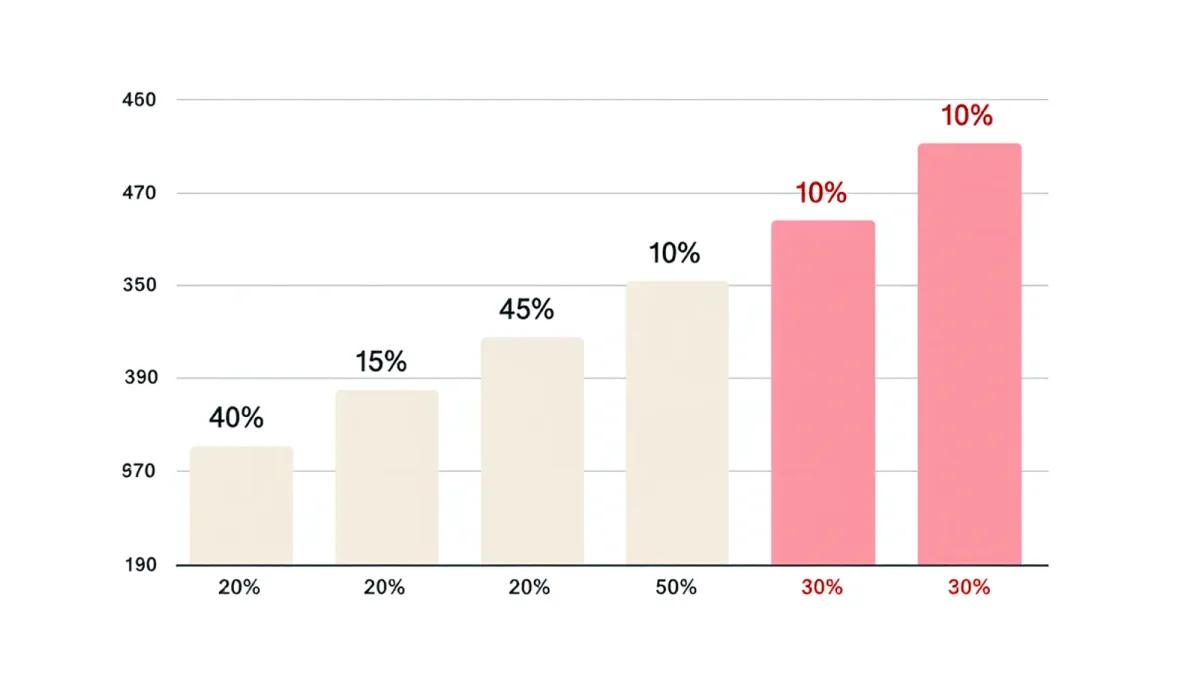
Eighty-three beauty transactions closed or were announced in the first quarter of 2026, a 40.7% jump year over year, per BeautyMatter's Deal Index as cited by Forbes on May 28, 2026. Both private equity and strategics — L'Oréal chief among them, per the same report — are driving the activity. A number like that is not finance trivia; it is a preview of how your local beauty aisle will look in 2027, and which 'independent' brands will stop being independent.
Why is beauty suddenly the hottest corner of consumer M&A?
Beauty has the profile buyers pay premiums for: high gross margins, repeat purchase behavior, social-media-native marketing that costs less than traditional advertising, and category growth that outpaces most of consumer goods. When broader consumer M&A cooled, beauty kept compounding. The result, per the Forbes analysis of May 28, 2026, is a market where both financial buyers hunting returns and strategic groups hunting portfolios converge on the same mid-size brands — the clinically minded skincare line, the viral haircare label, the fragrance house with a backstory.
What does consolidation do to the products themselves?
Three observed patterns. First, scale savings flow into the formula: an acquired brand gains access to the parent's suppliers, which can mean better textures at the same price. Second, distribution: your niche favorite lands at Sephora or Ulta within a year of the deal, because the parent's retail relationships are part of what was purchased. Third, the risk side — pace. Founder-led brands ship experiments; committee-led brands ship extensions. When a cult product's next version arrives, it was signed off by more people, and it shows.
Should you stock up on a brand before it gets acquired?
No — but do read the fine print of change. An acquisition does not oblige the buyer to keep your shade range, your fragrance concentration, or your price point. Contracts do, however, usually promise continuity for a transition period, and reformulation requires new safety documentation, so nothing changes overnight. The practiced move is unromantic: if a product is load-bearing in your routine, note its batch code and ingredient list now, and when the 'new formula' announcement comes, compare rather than mourn. Sometimes the corporate version is genuinely better made.
Which brands get bought, and which get left alone?
The acquisition profile repeats with discipline. Buyers want proven repeat purchase, a differentiated hero product, margins that survive retail wholesale terms, and an audience reachable without legacy advertising. Brands with thin hero products, founder-dependent marketing, or pricing that only works direct-to-consumer tend to wait. If your favorite label just crossed into profitability on the strength of one excellent product, it is either a target or a template — acquirers will fund its competitors either way. The nuance worth holding: being acquired is not a verdict on quality. Some of the best formulas in the market sit inside the least talked-about corporate portfolios, precisely because the parent bought the lab, not the buzz.
The desk's read
The 83-deal quarter tells you where the industry thinks value lives: not in inventing new categories, but in acquiring proven audiences and scaling them through existing retail machinery. For shoppers, that means the distinguishing skill of the next two years is provenance literacy — knowing which conglomerate owns which 'indie' label, and letting that knowledge inform loyalty without dictating it. A good product under new ownership is still a good product. But its next launch will be chosen for you, unless you keep choosing first.