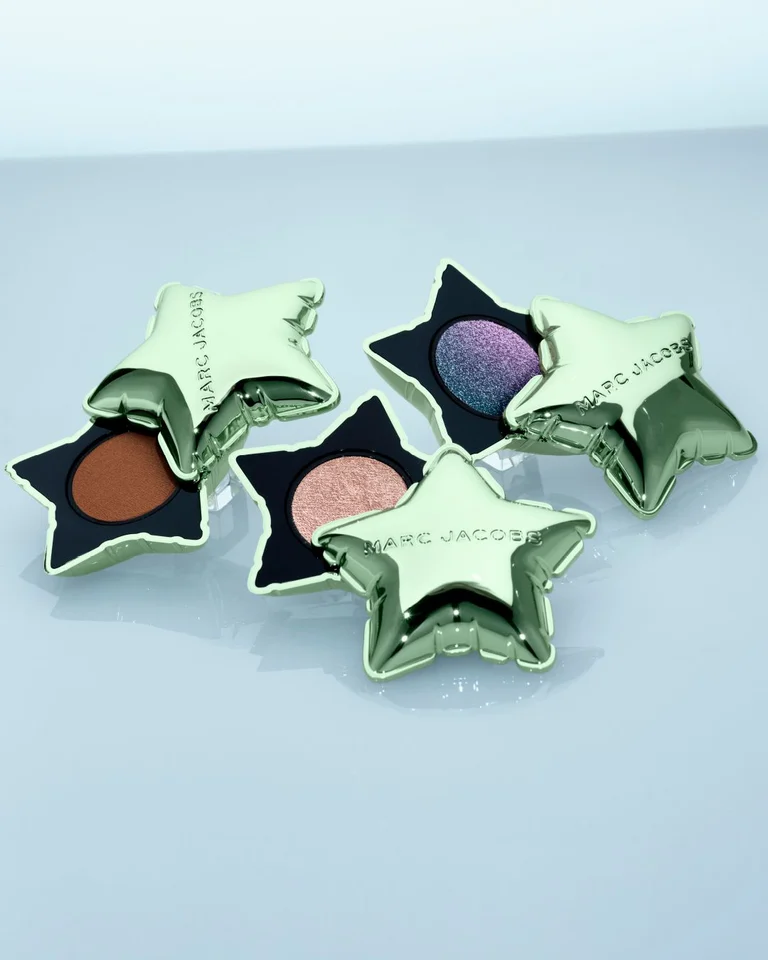
LVMH agreed to sell Marc Jacobs to WHP Global, the brand-management group, per Global Cosmetics News in the week of May 11–16, 2026 (as Reuters reported) — and while the runway gets the headlines, the strategically fascinating layer is beauty. A designer name changing corporate hands rarely touches what is already in your makeup bag, because the makeup bag answers to a different document: the license. Understanding the license is the closest thing beauty shoppers have to X-ray vision.
Usual caveat: this is business reporting and analysis, not investment or legal advice.
Who actually makes your lipstick when it says 'Marc Jacobs'?
In fashion beauty, the name on the bottle and the company in the factory are usually different entities. A designer house licenses its name to a beauty group — Coty, L'Oréal, Interparfums, Euroitalia — which formulates, manufactures, and distributes, paying royalties for the privilege. Marc Jacobs fragrances have long been produced under license, meaning a sale of the fashion house does not automatically move the perfume on your shelf. The license keeps running; what changes is who collects the royalties from the fashion side and who decides the brand's next chapter.
Why are brand-management groups buying designer names?
WHP Global's model — and that of peers like Authentic Brands Group — is to treat a name as an asset to be scaled across categories and territories: more licenses, more collaborations, tighter e-commerce, less flagship overhead. For beauty, that can mean a revival: heritage fragrance codes reintroduced for a market that now prizes nostalgia, or a makeup line relaunched through retail partners instead of boutiques. The risk is equally clear — when a name is managed for licensing income, scarcity and editorial patience tend to be the first casualties.
What this changes for your routine
Practically, little now and something within two years. If you love a discontinued designer scent, ownership shuffles are historically when revivals happen, because a new licensee wants a launch story with built-in memory. If you track reformulation anxiety — the perennial fear that your signature perfume 'isn't what it was' — note that reformulations usually follow regulatory changes or cost pressure at the licensee, not the fashion-house sale itself. The verified habit: check the tiny distributor line on the carton. It names the company actually responsible for the product, and it tells you more about what you are buying than the designer signature above it.
Why do designers sell the name but keep the scent?
Because the two assets appreciate on different clocks. A fashion label's value sits in collections, stores, and creative direction — expensive, opinionated, seasonal. A fragrance license is annuity income: a best-selling scent earns royalties for decades with occasional flankers to refresh it. Giving up the fashion house without disturbing the license is portfolio hygiene, not retreat. For WHP, the name is a platform to be licensed wider; for the beauty licensee, nothing changes except the counterparty at the next royalty review. The product in your rotation is the last thing anyone in the deal needs to touch, which is precisely why it will keep selling.
The desk's read
The Marc Jacobs deal is a datapoint in a larger repricing of beauty: names are appreciating assets, factories are operations, and the two are traded separately. LVMH pruning a label that never reached its projected scale while a licensing specialist sees untapped royalties — that is the industry's real org chart revealing itself. Next time a 'house' launches a foundation, ask the boring question first: whose lab, whose distribution, whose accountability. The glamour is the name; the product is the paperwork.