A top and trousers cover the body; a third piece composes it. The rule is old, unglamorous, and close to universally useful: add one considered extra layer beyond the base two — a jacket, a vest, an open shirt, a draped knit — and a basic outfit reads as deliberate. Stylists use it constantly and rarely name it; this column names it, explains why it works, and sets out when the third piece should stay on its hanger.
One qualification before the argument: the third piece is a compositional device, not a spending instruction. The layer can cost $20 or $400; the effect lives in the geometry, not the label.
Why does a third layer change so much?
Two reasons, one visual and one temporal. Visually, a third piece adds structure: it defines the shoulder line, creates vertical edge lines down the torso, and gives the outfit a top block with its own shape — the difference, in composition terms, between a figure and a silhouette. Two pieces make a rectangle; three make an ensemble. Temporally, the layer reads as intention. Anyone grabbed two garments; only a plan adds the third. The reader of the outfit — colleague, date, stranger — registers that plan in under a second, whether they could articulate it or not.
The effect also survives photography, which is why the move appears in nearly every street-style archive worth studying: layers create the shadows and edge lines that flat clothing lacks.
What counts as a third piece?
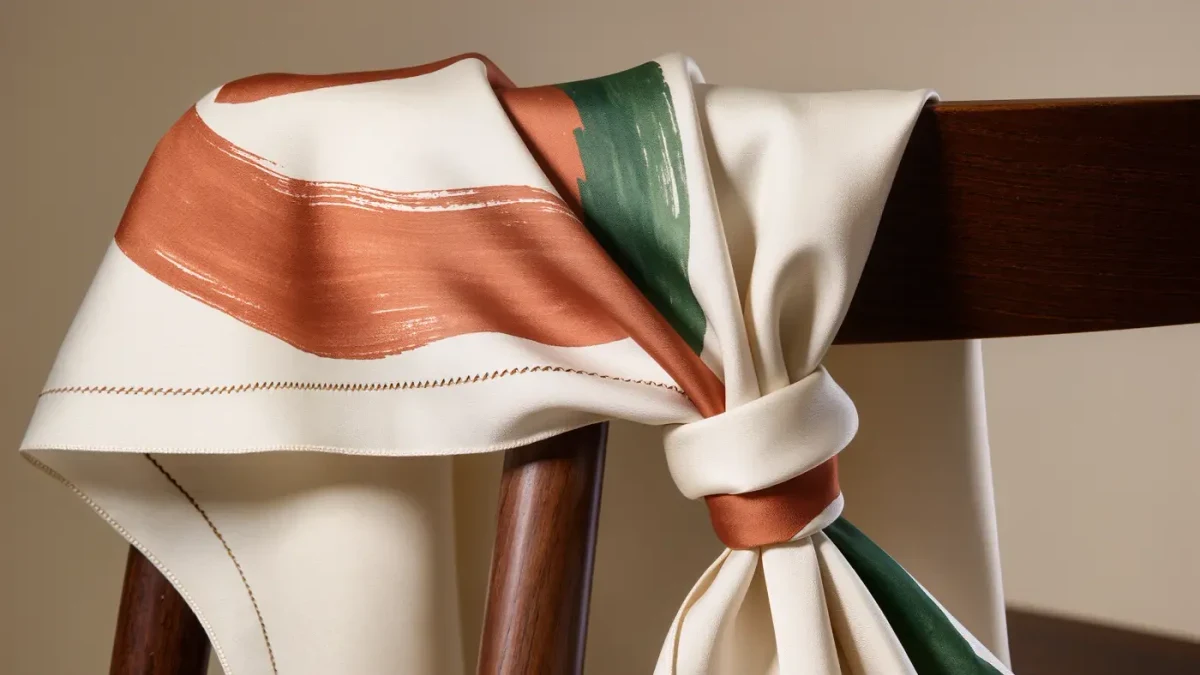
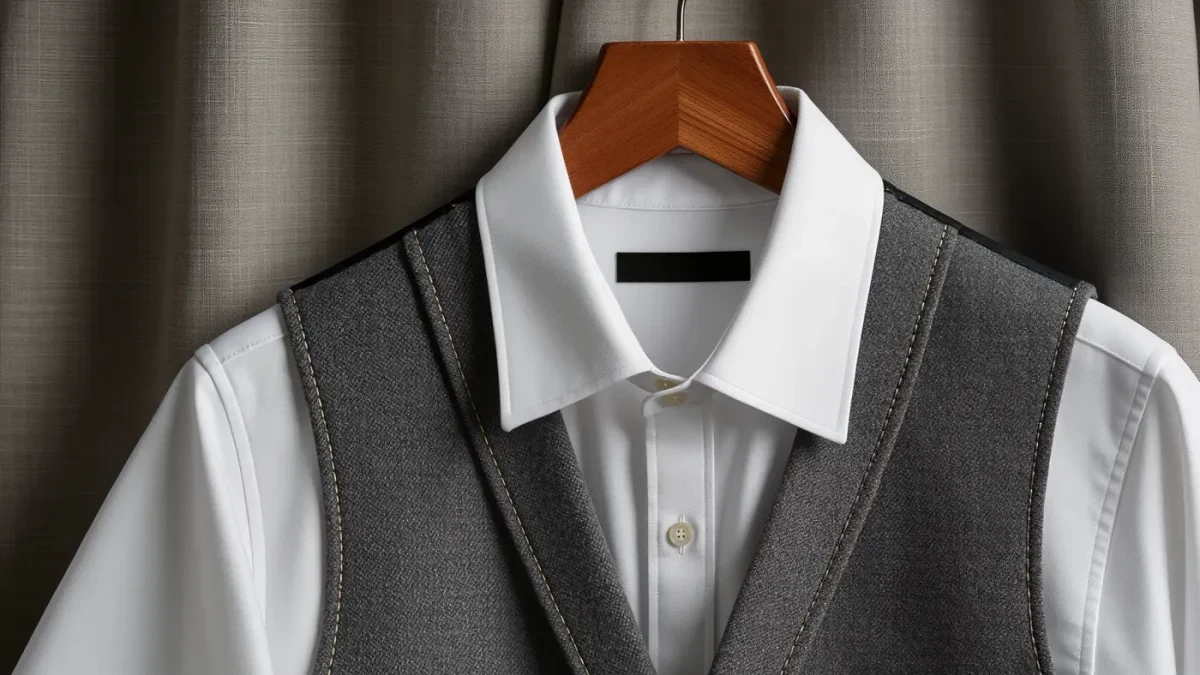
More than the blazer canon allows. The classic options: an unstructured blazer, a denim or chore jacket, a waistcoat, a fine knit tied or worn open over the shoulders, a second shirt worn open like a jacket, a long cardigan, even a scarf arranged to cover the shoulder line. Each works by the same mechanics — a new edge, a new volume, a new weight. The waistcoat deserves special mention in 2026, having returned strongly through tailoring-led collections in the mid-2020s: it adds the third-piece structure with less bulk than any jacket, which suits both hot offices and small frames.
How do you choose the right third piece?
Three checks, in order. Weight: the third piece should be the heaviest or most structured item in the outfit, because the eye ranks layers by weight — a floaty jacket over a heavy knit reads as an afterthought. Color: either match the third piece to the bottom half, which frames the outfit, or make it the accent against two quiet base pieces; the middle path, a similar-but-not-matching neutral, is the most common stumble. Length: the layer must end at a deliberate point — hip bone, mid-thigh, knee — because the third piece sets the outfit's horizontal divisions. A layer that ends nowhere in particular ends the outfit there too.
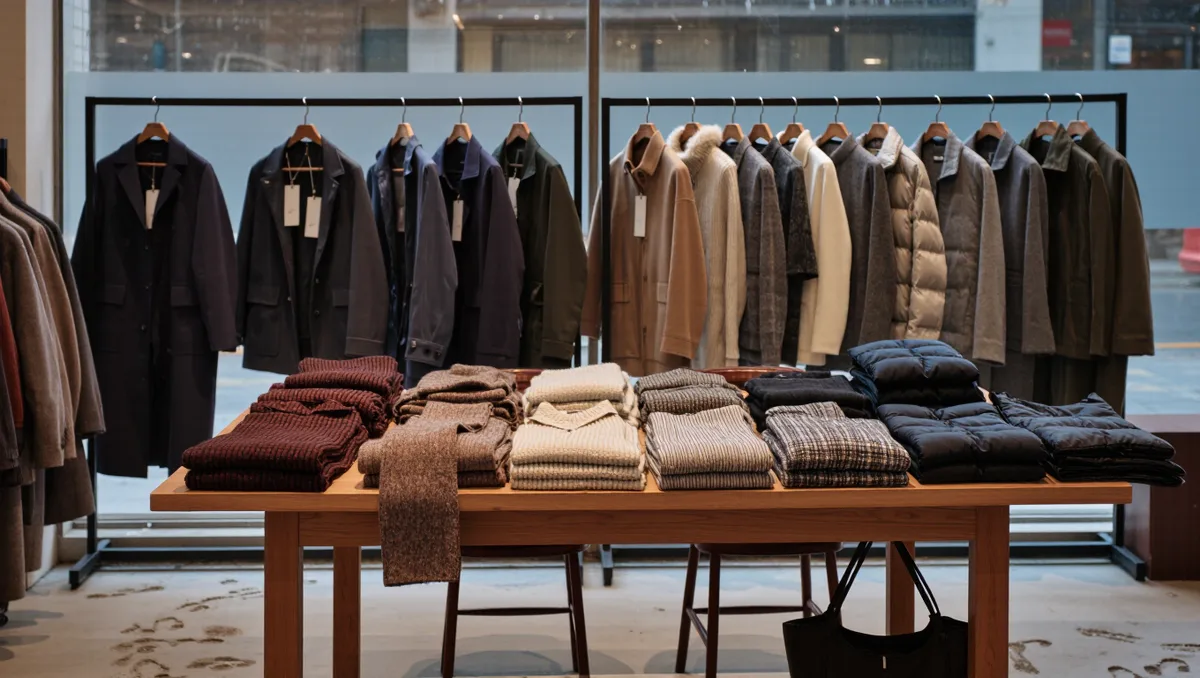
The move scales across seasons without changing its logic. Winter’s third piece is the coat or the knit layered beneath it; summer’s is the open shirt over a tee or the knitted polo worn as a jacket — lighter weights, same structure. Trans-seasonal dressing, the hardest kind, is almost entirely a third-piece problem: when mornings and afternoons disagree about the weather, the removable layer is both the composition and the practical answer. This is why the rule survives in warm climates where a jacket seems absurd for half the year — the waistcoat, the draped knit, and the shoulder-tied layer exist precisely for that reader.
When should the third piece be skipped?
Honest exceptions keep the rule credible. In real summer heat the layer reads as costume unless it is genuinely wearable unfastened and light; a gilet in August is ambition defeating comfort. Certain heavily detailed base pieces — a textured knit, a printed trouser — already carry a third piece's worth of structure, and piling structure on structure is how outfits get stiff. And practical days with a bicycle, a toddler, or a ferry commute may demote the layer to a bag by 9 a.m.; the rule serves the day, not the reverse.
The close is the thesis restated plainly. Top, bottom, third: the formula turns the same ten garments into three times as many finished looks, costs nothing beyond what the closet already holds, and survives every trend cycle because it is composition, not fashion. The next outfit that feels unfinished probably is — one layer short.
Sources for this piece include Library of Congress digital collections.