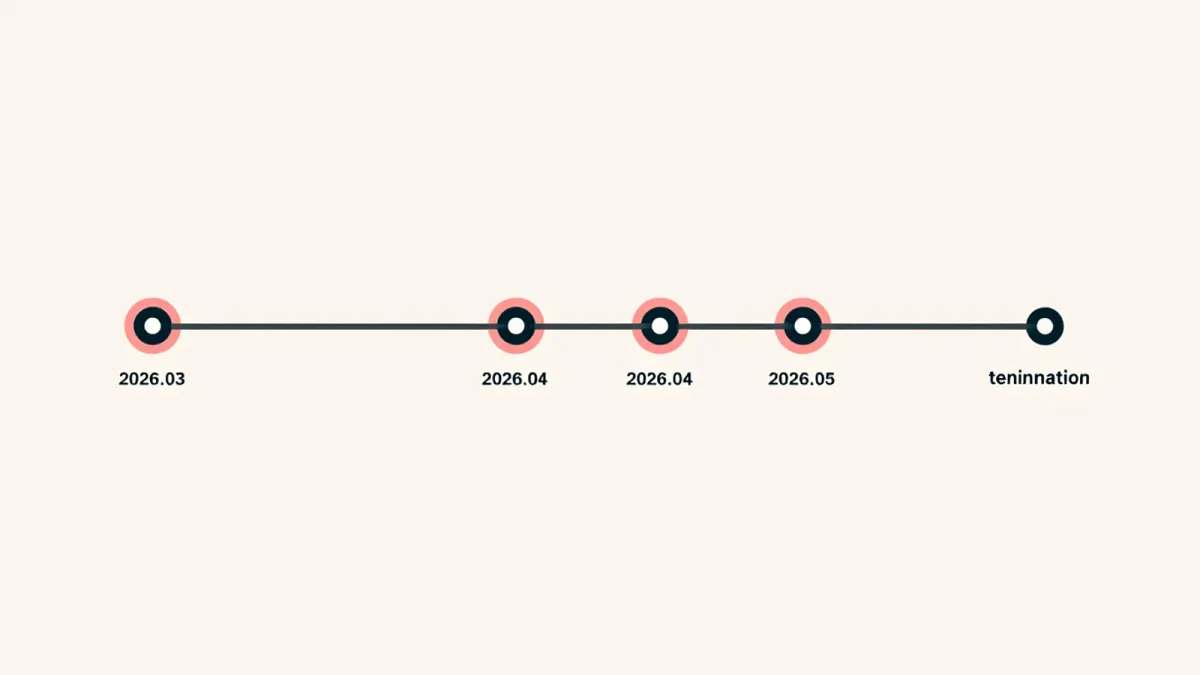
In the week of May 11–16, 2026, per Global Cosmetics News, Estée Lauder moved to settle U.S. lawsuit claims connected to so-called grey-market sales in China (as Reuters reported) — product diverted outside authorized channels, sold cheaply and beyond the company's control. The settlement closes a legal chapter, but the practice it names is one of the least discussed forces shaping what beauty actually costs you, at Sephora, at the airport, and on a marketplace site with suspiciously good prices.
What is a grey market, in plain terms?
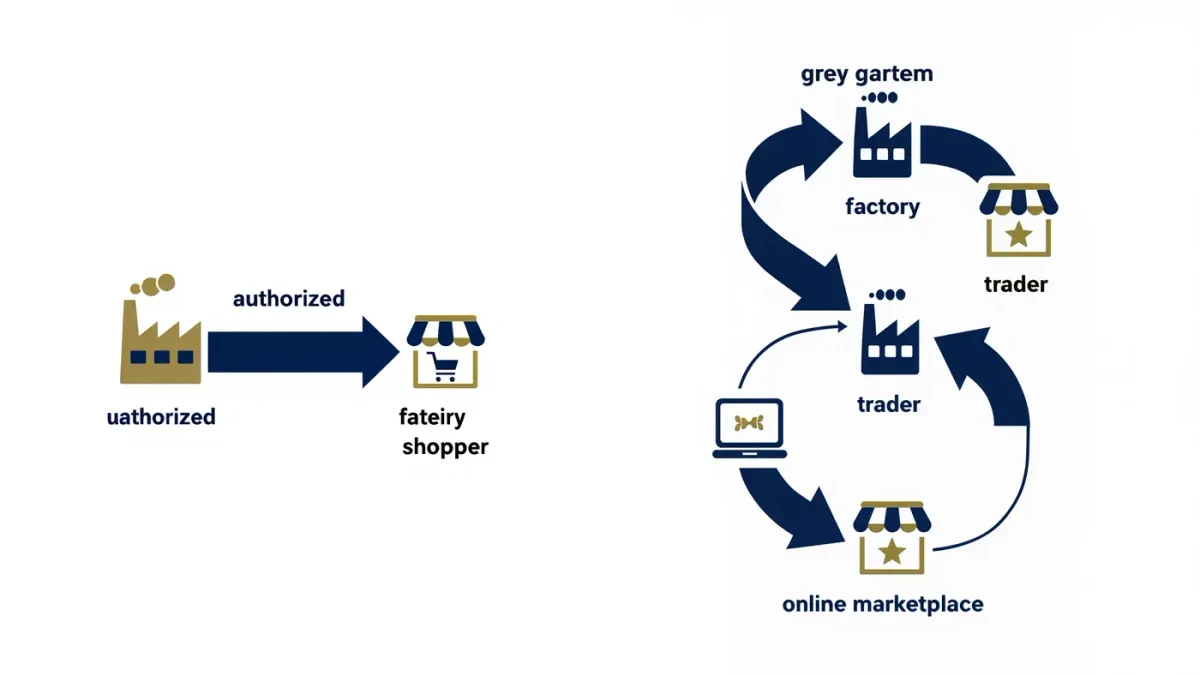
A grey market is not counterfeit and not stolen. It is genuine product sold by parties who were not its intended sellers: a distributor with excess inventory, a trader buying in one region where prices are lower and shipping to another. Nobody forged the bottle. The brand simply lost control of where its product is sold, at what price, and how it was stored along the way. For a company like Estée Lauder, whose China business was a growth engine for a decade, grey-market flows distort pricing and, when sales slow, become the story investors point to.
Why should a shopper care who sells what to whom?
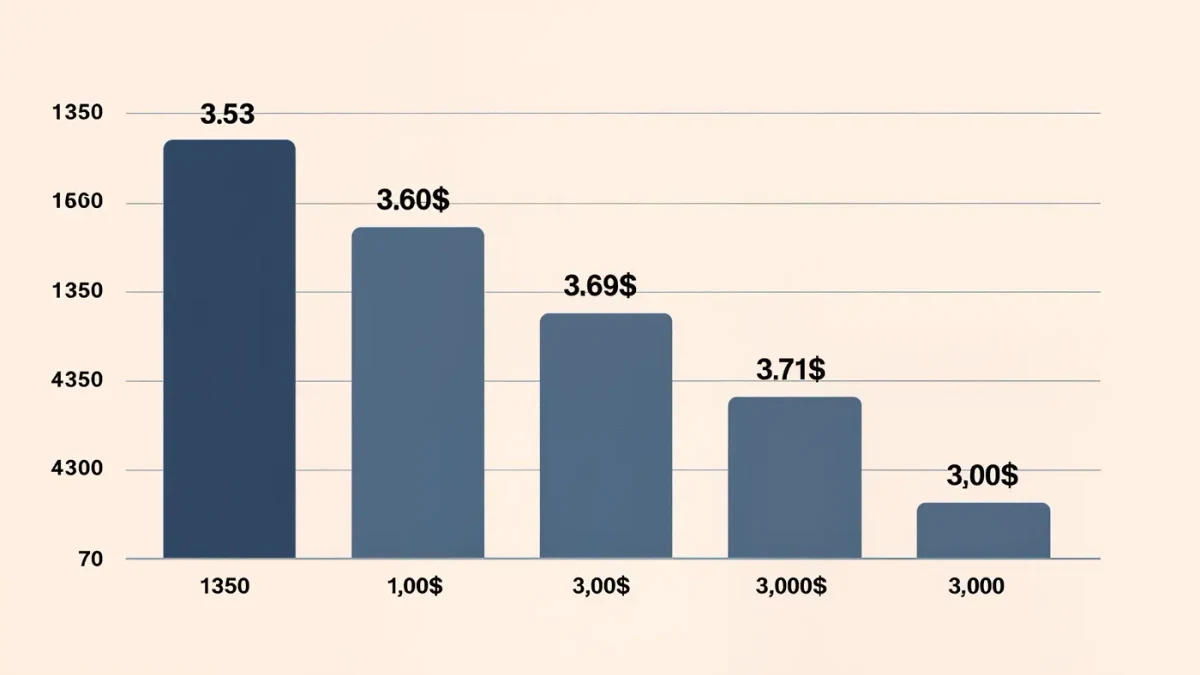
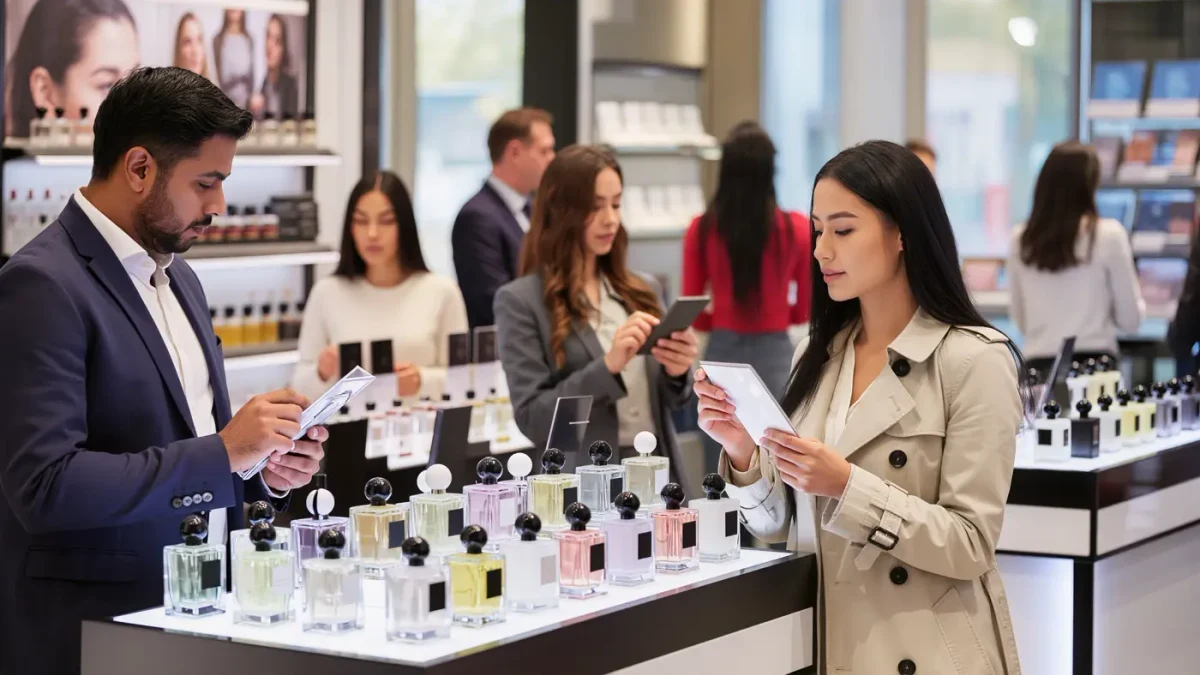
Because grey-market dynamics are visible in your own cart. That 30% discount on a department-store serum from an unfamiliar online seller, the duty-free price that beats your local retailer, the 'Asian exclusive' shade resold at a markup — each is grey-market mechanics in miniature. The trade-off is always the same: a lower price for less certainty. Genuine product can still be old, heat-exposed, or packaging-revised for a different market with different ingredient declarations. When a company settles claims over losing control of its distribution, the practical takeaway is to price-verify against the brand's own channels before assuming a bargain is one.
What does this change for the industry?
Two things, both already underway. First, tighter distribution: expect more authorized-seller programs, serialized packaging, and region-locked launches, because the cheapest way to kill a grey market is to make diversion traceable. Second, honest regional pricing: the gap between a U.S. sticker price and a China sticker price exists partly because of tariffs and retail economics, and partly because companies historically tolerated arbitrage as a sales channel. Settlements like this one push the tolerance toward zero. Per the company's own communications, control of distribution has been framed as a brand-protection measure, and the legal endpoint in May 2026 gives that framing teeth.
How do you spot a grey-market listing before you buy?
The tells are consistent across marketplaces. A price materially below every authorized retailer, including during sale season. A distributor or importer line on the listing rather than the brand's own storefront. Packaging text in a language or regulatory format no local version uses, or a batch code the brand's customer service cannot place. None of these proves a product is grey market — but each is a reason to pause and ask the seller one question: who authorized this sale? Honest resellers answer with paperwork. The rest go quiet, which is itself the answer.
The desk's verdict
The grey market survives on information asymmetry — the seller knows the product's route, the buyer does not. Every step toward traceability transfers a little of that knowledge back to you. Until then, the practiced habit stands: buy the unusual discount only from sources you can hold accountable, and treat 'too good to be true' not as a moral warning but as a storage-and-shelf-life question. The lawsuit was about control. Your version of control is simpler — you decide whose shelf to trust.